People who take multivitamins daily do not have a lower risk of mortality than people who do not use these products, according to a meta-analysis published in JAMA Network Open. The study pooled data from more than 390,000 people, followed for about 20 years in three different cohorts in the United States.

Two articles published in Nature describe a new genome editing technique that enables the insertion, inversion, or deletion of long DNA sequences at specific positions in the genome. This is a one-step approach that could offer a simpler method for genome editing in the future. The authors describe a technique to create reprogrammable recombinases—key enzymes in genetic recombination. These enzymes are guided by RNA, which acts as a bridge, directing the recombinase to target sites and facilitating predetermined editing.

The risks of ultraviolet radiation are well-known: it can cause everything from burns and spots to immune system alterations, cataracts, infections, and skin cancer. We need to protect ourselves from the sun, but do we really know how to do it? What is myth and what is reality? We answer the main questions when it comes to using sunscreens.
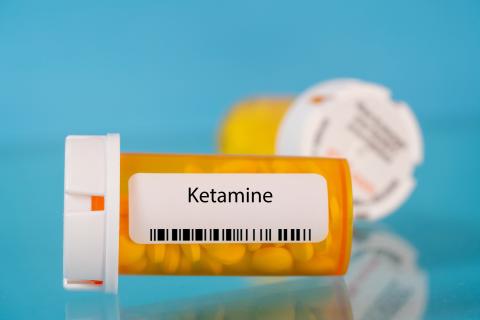
Ketamine extended-release tablets are effective, safe and well tolerated in patients with depression resistant to other treatments, according to a phase 2 clinical trial. Compared to intranasal or intravenous use of ketamine, these oral tablets are easier to administer and would provide less dissociative intensity, lower risk of abuse and cardiovascular adverse effects, the authors write in Nature Medicine.

The frequency and magnitude of extreme wildfires appear to have doubled in the last 20 years. Moreover, the six most extreme years for these events have occurred since 2017, according to a paper published in Nature Ecology & Evolution in which the authors used satellite data from 2003 to 2023.

About one in 5,000 people have a genetic variant in the SMIM1 gene that results in a particular type of blood type called Vel negative. An international team of researchers now describes the same variant as being associated with a predisposition to obesity, metabolic disturbances and lower resting energy expenditure. Women studied with the variant weigh, on average, 4.6 kg more, while in men the difference is about 2.4 kg. The results are published in the journal Med, published by the Cell group.

Management of gestational diabetes should include earlier testing during pregnancy, as well as testing in the postpartum period, according to a series of papers published in The Lancet. Screening is usually done during the second half of pregnancy, but the authors note that diagnosis and treatment is especially beneficial before 14 weeks of pregnancy.

Carbon stored globally by plants is shorter-lived and more vulnerable to climate change than previously thought, according to a study published in Science. This has implications for nature's role in climate change mitigation, including the potential for carbon removal projects such as mass tree planting. The research reveals that existing climate models underestimate the amount of carbon dioxide (CO2) that vegetation absorbs globally each year, but overestimate how long that carbon stays there.

Cancer immunotherapy, and in particular the so-called checkpoint inhibitors, have improved the prognosis of several types of tumours. However, they are not effective in everyone. Two early-stage clinical trials have tested the addition of a type of immunomodulator to this therapy in patients with lung cancer and Hodgkin's lymphoma, with apparent good results. The results are published in the journal Science.

International health organisations are warning about the spread in Europe of mosquito species that transmit diseases such as dengue fever. In Spain, where they are already widespread across much of the country, the Centro de Coordinación de Alertas y Emergencias Sanitarias (CCAES) warns of the risk of West Nile virus, and says that the summer is expected to be complicated. In this guide, we bring together information to understand this public health issue.