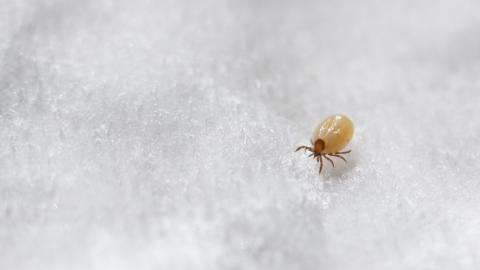
Ticks are parasitic mites that cause serious illnesses. Among them, the two that cause the most concern in Spain are Lyme disease and Crimean-Congo haemorrhagic fever. Cases are expected to increase and, since last year, they have been monitored by the Ministry of Health.
A family of more than 1,000 members with origins in Colombia has a mutation called "paisa" that leads to the development of Alzheimer's disease. In 2019, an added mutation in the apoE gene called "Christchurch" was described as conferring strong protection to an individual carrying two copies of it. Now, a study has found that 27 family members carry a single copy and that it is also associated with some degree of protection. According to the authors, who publish their findings in the journal NEJM, the discovery could be used to develop new treatments for the disease.

A study has compared data from 2,100 accidents involving autonomous vehicles and just over 35,000 accidents involving human-driven vehicles between 2016 and 2022, mainly in California (US). Their findings are that autonomous vehicles are safer in many driving situations, but suffer more accidents in situations such as turning times or during dawn and dusk. The results are published in the journal Nature Communications.

A clinical trial in Finland has compared the effectiveness of nicotine-containing e-cigarettes and varenicline tablets for smoking cessation. The study, which included 458 participants, found no difference between the two strategies at six months. However, after one year, only varenicline was found to be clearly more effective than placebo. The results are published in the journal JAMA Internal Medicine.

Since 2024, the Ministry of Health will begin using a new, more rigorous alert system based on 182 meteosalud zones instead of 52 provinces. The aim is to make the plan more effective, inform the population when necessary, and ultimately save lives.
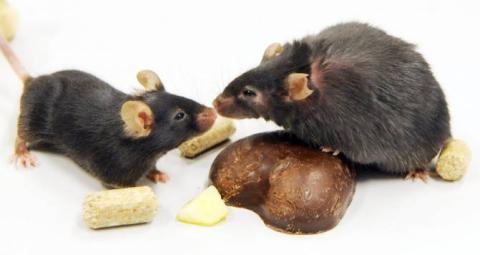
Five out of ten potential treatments move from animal studies to human studies; four to randomised controlled clinical trials; and one in 20 moves on to approval by regulatory agencies, an analysis estimates. Concordance between positive results in animals and in clinical studies is 86%, according to the study, published in PLoS Biology, which pools the findings of 122 published studies on 54 different human diseases.
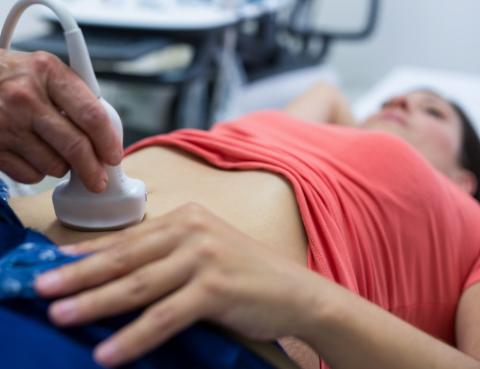
Artemisinins, plant-based antimalarials, may serve as a treatment for polycystic ovary syndrome - which affects millions of women worldwide and can lead to infertility - according to a new study published in Science. The compounds suppressed ovarian androgen production in rodents, as well as in a small cohort of 19 human patients for 12 weeks, leading to more regular menstrual cycles without side effects.

Dogs and other pets can be sentinels for human health, two US researchers argue in the journal Science. Because they share the same environment as their owners, dogs can help study, for example, the epidemiology of vector-borne pathogens, the effects of exposure to heavy metals and endocrine disruptors, and even the effects of social adversity. Improving canine data collection would help assess the health of people who cohabit with dogs, the authors argue.
CAR-T cell therapies may, in some cases, produce tumours secondary to treatment. A few months ago, the US Food and Drug Administration (FDA) said it was assessing this risk. Now, a study conducted at Stanford University Medical Center (USA) has tracked 724 patients who received this type of treatment since 2016. Of these, 14 developed another blood tumour, but only one was a T-cell lymphoma that could be a direct consequence of the therapy. Further analysis ruled out this link. The results are published in the journal NEJM.

After the first year of life, the father's contribution to his baby's microbiota is comparable to the mother's contribution, whether born vaginally or by caesarean section, says a study published in Cell Host & Microbe. In addition, faecal microbiome transplants from the mother to her baby can restore the microbiome in the case of caesarean birth, says the study, which included 74 babies and involved Spanish participants.