heat

heat

heat

Reactions: Study attributes April's unusually high temperatures on the Iberian Peninsula to climate change

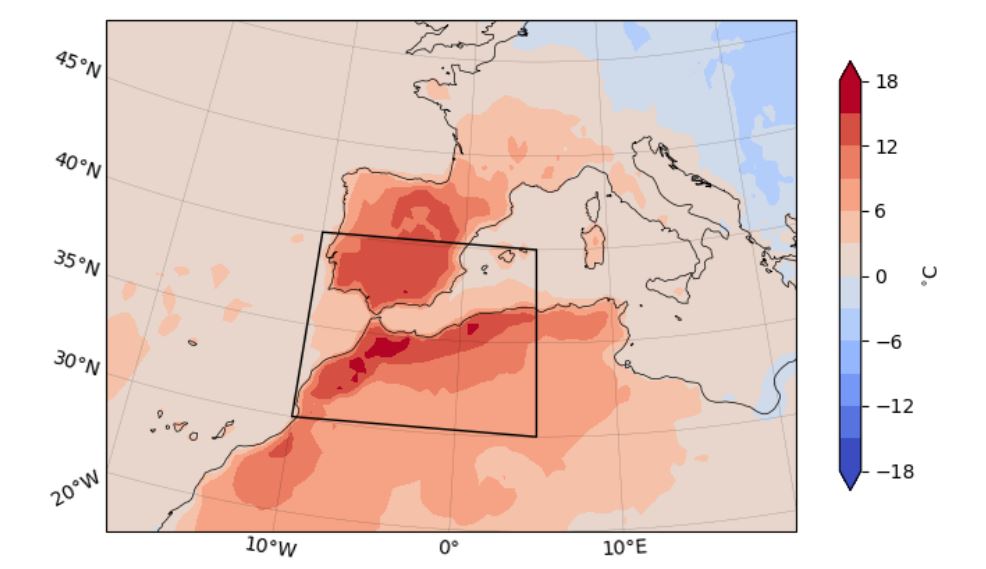
Climate change made the late April episode of record temperatures in the Iberian Peninsula, Morocco and Algeria 100 times more likely to occur, with temperatures up to 3.5°C higher than they would have been without the climate crisis. This is one of the conclusions of an attribution study conducted by World Weather Attribution.

0

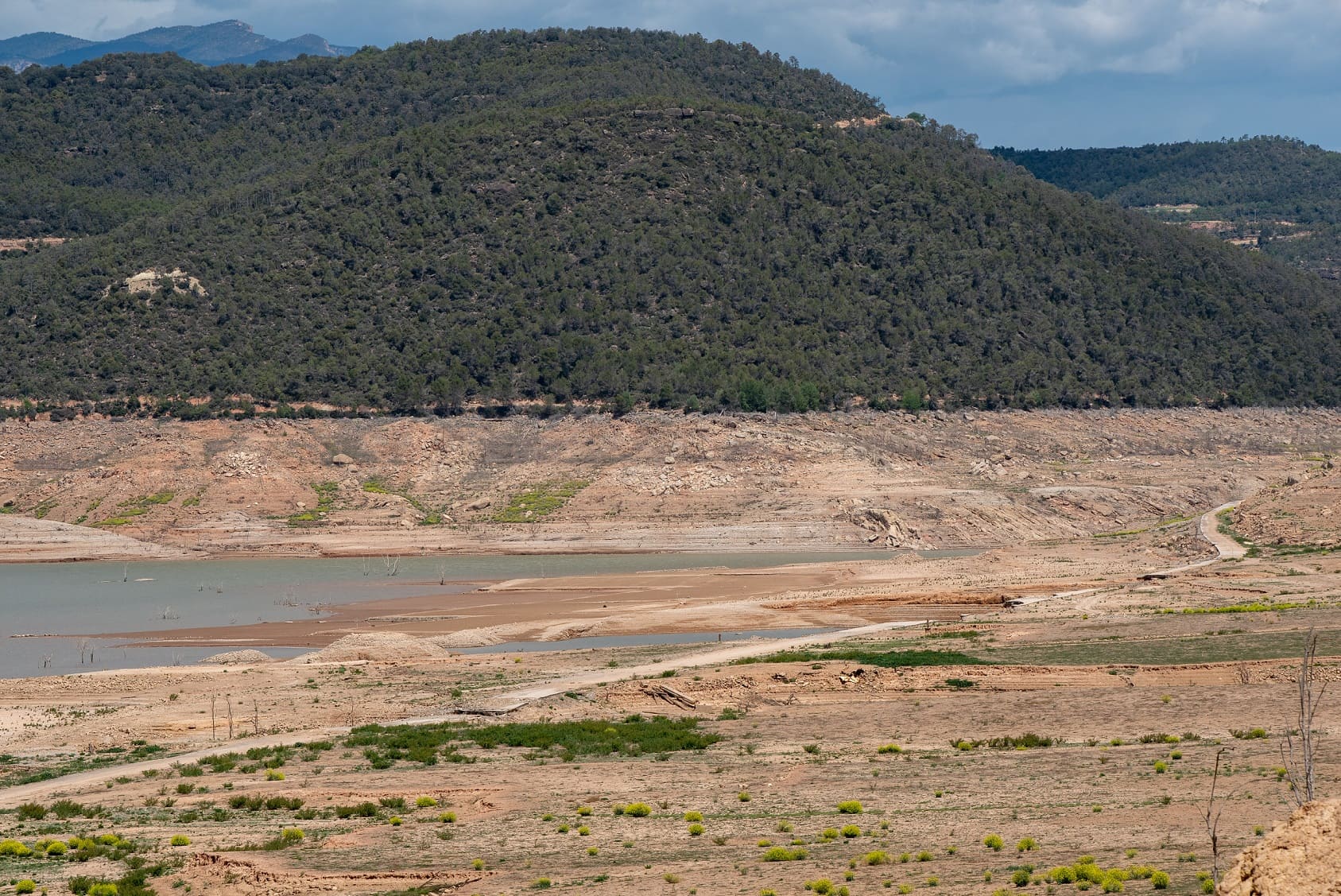
Drought in Spain: aggravated by rising temperatures and overexploitation of water resources

The hydrological, meteorological and agricultural drought that is being experienced in Spain, especially in some regions, comes after a 2022 that was the warmest and one of the driest since records have been kept. Researchers Sandra García Galiano (UPCT) and Annelies Broekman (CREAF) participated in an informative session of SMC Spain in which they analyzed the causes, consequences and possible solutions to face this complex natural phenomenon.

0

Reactions to the high temperatures expected for the next few days in the Iberian Peninsula and the Balearic Islands

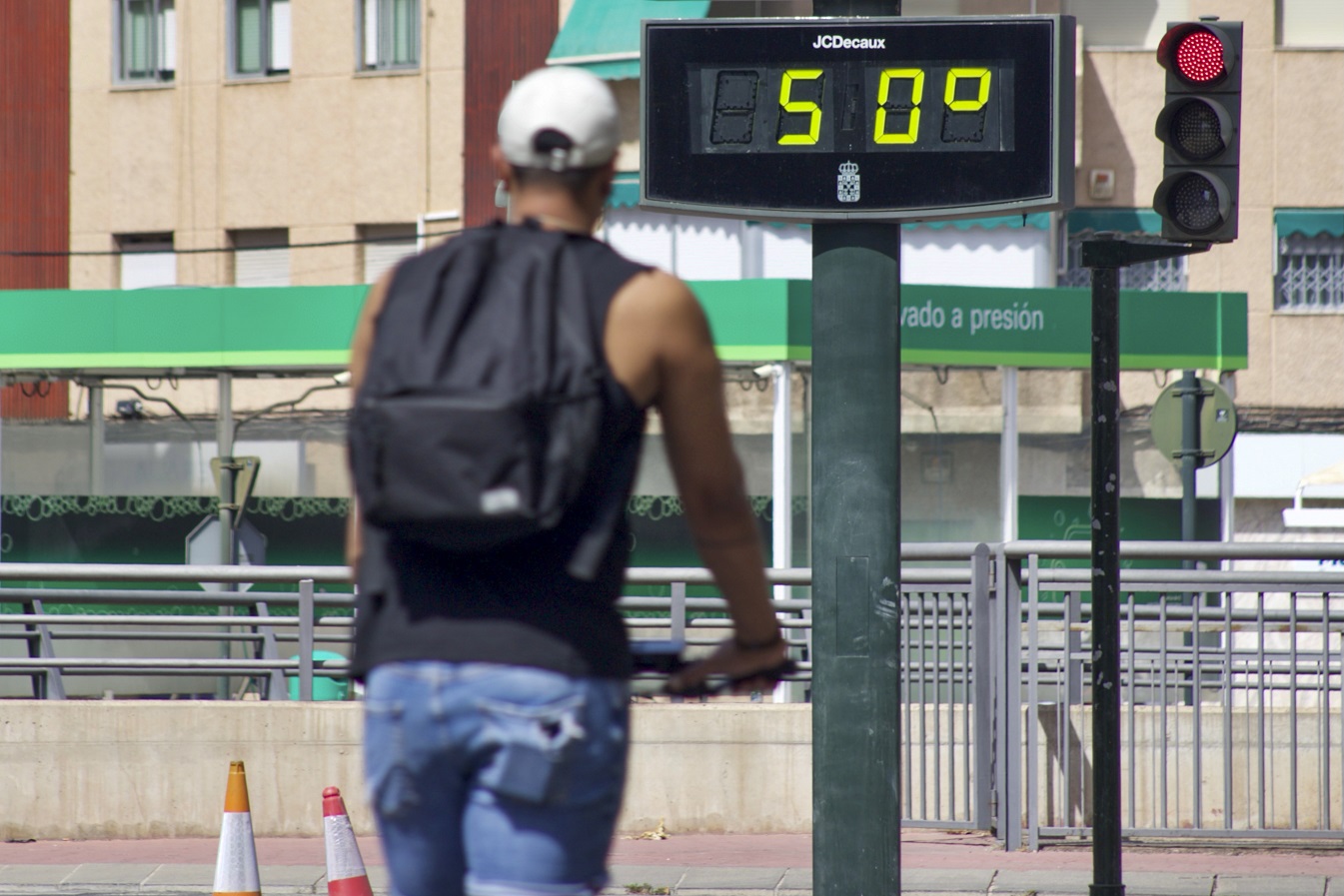
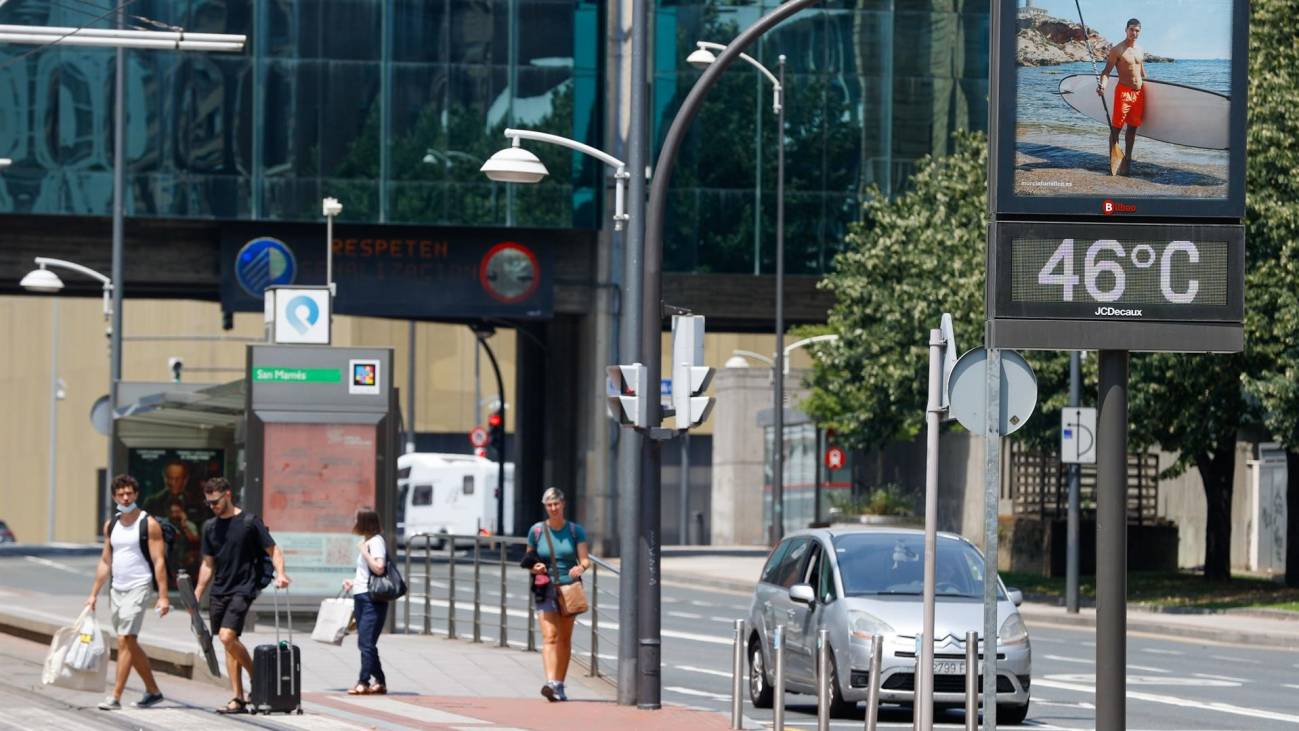
The State Meteorological Agency (AEMET) has reported that, from Tuesday, the progressive entry of a mass of very warm and dry air of African origin over the peninsula and the Balearic Islands will cause exceptionally high temperatures for this time of year, with values typical of summer. According to AEMET, during Thursday 27, the threshold of 30 ºC is likely to be exceeded throughout the southern half, as well as on the banks of the Ebro. On the other hand, 35 ºC is likely to extend to the Guadalquivir valley in Córdoba and Jaén. During Friday it is possible that 35 ºC will be exceeded in the banks of the Ebro in Zaragoza and other points of the southern half, in addition to the Guadalquivir valley, where the maximum temperature values could be around 38-40 ºC.

0

Reaction to study claiming that the frequency of heatwaves will increase this century

Research estimates that the rise in global average temperatures could approach 2 ˚C by 2050. The study, published in Communications Earth and Environment, estimates that by 2100 many people living in tropical regions will be exposed to dangerously high levels of heat on most days of the year. In addition, deadly heatwaves, which are currently rare in mid-latitudes, could occur every year in these areas.