Reaction to review examining the relationship between PFAS exposure and liver damage

A review of studies in rodents and humans examines the relationship between exposure to perfluoroalkyl substances (PFAS) and liver damage.
0
A review of studies in rodents and humans examines the relationship between exposure to perfluoroalkyl substances (PFAS) and liver damage.
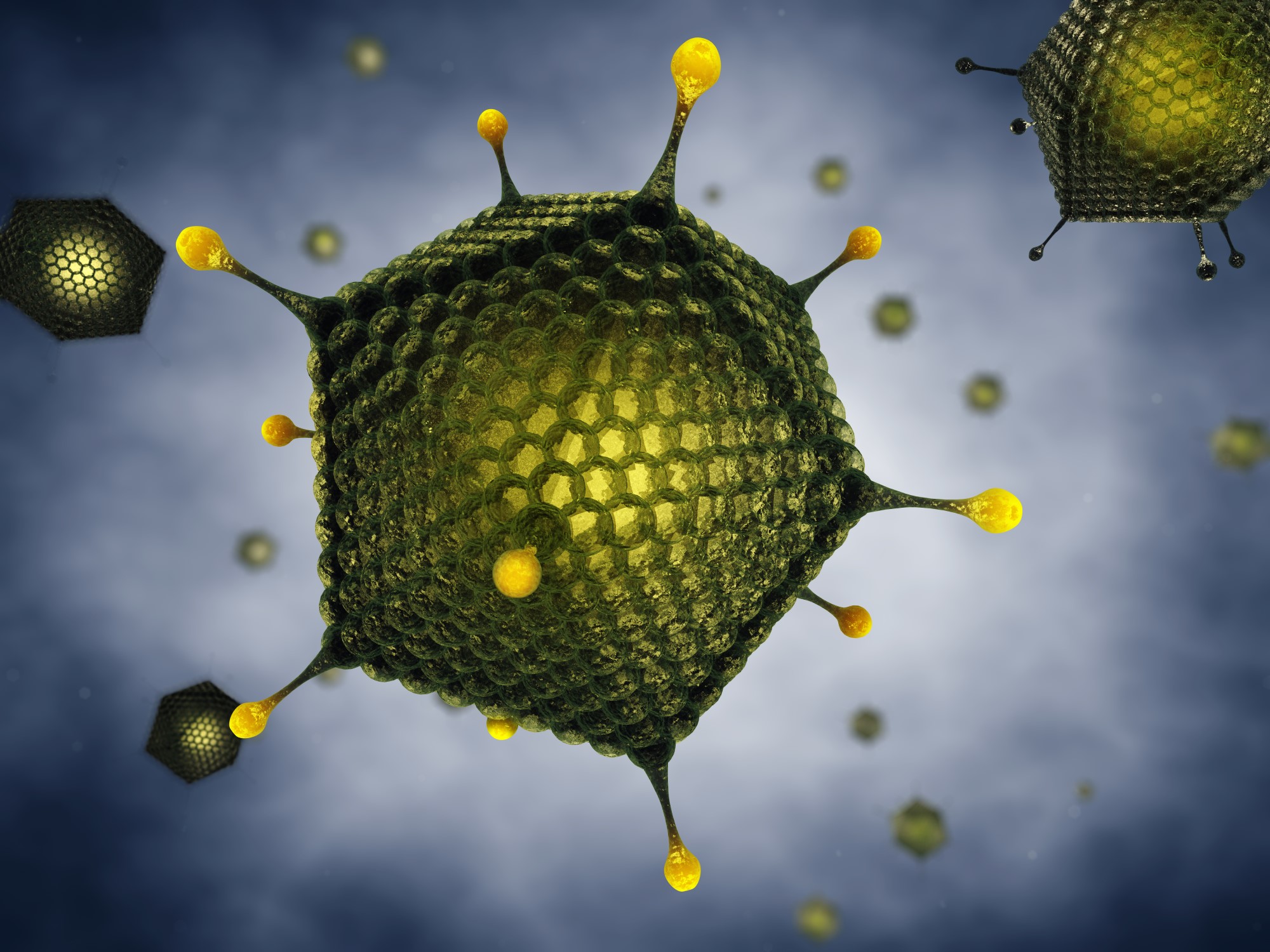
In recent weeks, several countries have detected unusually severe cases of hepatitis of unknown origin in healthy children. Some of the patients have required transplantation and at least one of them has died. Researchers are working on several hypotheses around an adenovirus, but the matter is still shrouded in uncertainty.

This week the European Centre for Disease Control and Prevention (ECDC) has warned of an increase in cases of hepatitis of unknown origin in children in the UK. Three cases have been diagnosed in Ciudad Real, Madrid and Aragon, one of which required a liver transplant. With the current information it is difficult to establish the cause.
The Public Health Commission has updated the Covid-19 Surveillance and Control Strategy, which will come into force on Monday 28 March. From then on, as long as indicators of healthcare utilisation are at low risk, diagnostic testing will focus on vulnerable individuals and settings and severe cases. Surveillance will focus on these groups.

The monographs of the International Agency for Research on Cancer (IARC) cause controversy in the public debate when they analyze topics such as meat and cell phone radiation. Interpreting their work rigorously is not easy: in this guide we try to help contextualize their studies.
E-cigarettes and smokeless tobacco are alternatives to traditional tobacco that have grown in popularity in recent years. Proponents claim that they serve to "reduce harm" and help quit smoking, while opponents claim that there is no evidence of benefit and that they can introduce young people, non-smokers and ex-smokers to tobacco.

The Spanish Society of Public Health and Health Administration calls for the creation of an institution "that prepares us to protect the health of our population in the face of the current pandemic, future pandemics and current health challenges".

The terms "endemism" and "seasonality" are increasingly used to refer to the covid-19 pandemic. They are sometimes incorrectly associated with the severity of the disease or with the premature end of the pandemic. What do they mean? Does SARS-CoV-2 fit these definitions? Will it ever do so thanks to vaccines?

In recent days, several countries have modified the quarantine times for close contacts and the isolation of infected people, while others are already considering it. Spain has announced that it will reduce these periods to 7 days, both for people who have tested positive in a test and for close contacts who require quarantine (in the case of our country, unvaccinated people).
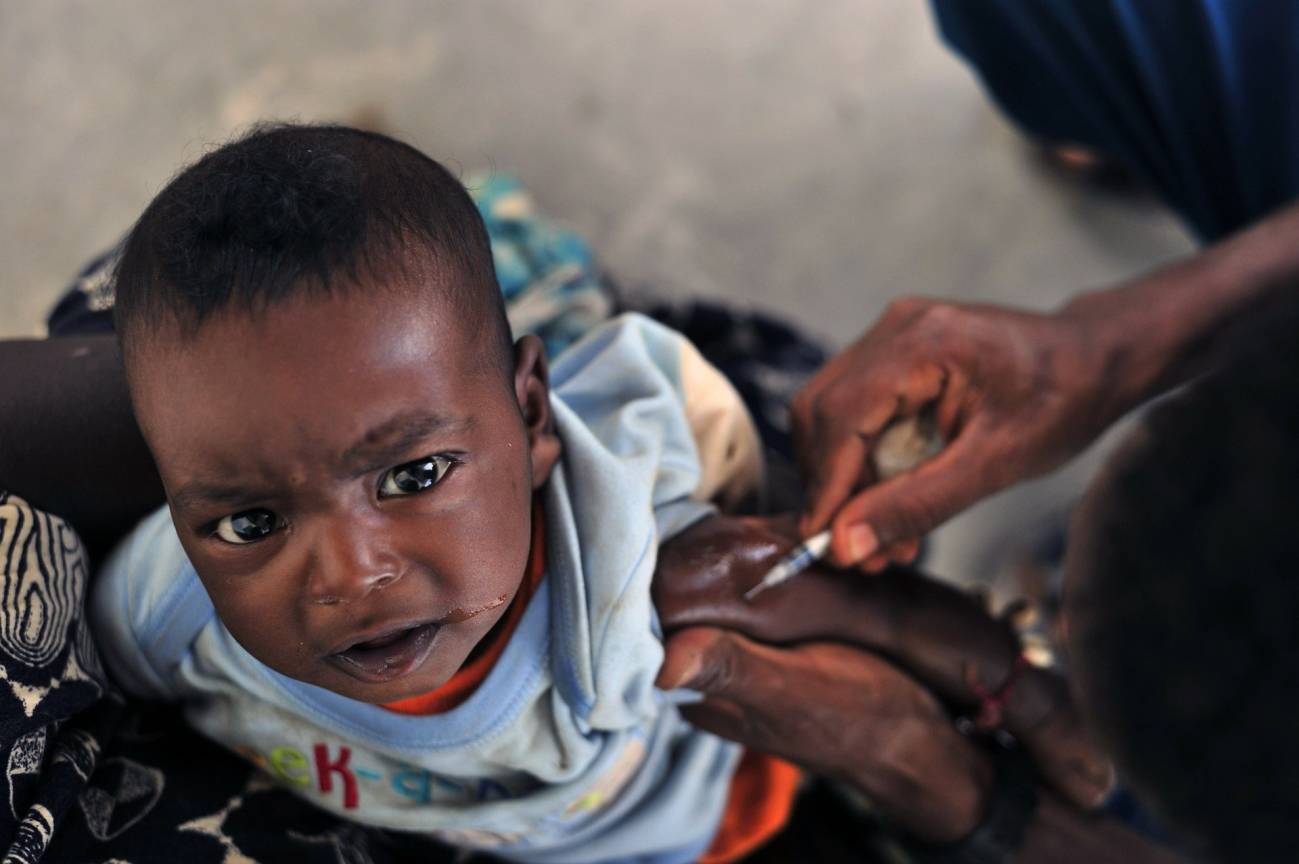
"Equity in the distribution of vaccines is not a matter of charity; it benefits all countries," said Tedros Adhanom, director of the WHO. However, his data speak of a very unequal distribution: more than 80 % of the vaccines have gone to G20 countries, while poor countries, mostly African, have received only 0.6 %. Three Spanish experts analyze what went wrong.