Press Offices

Press Offices

SMC Spain amplifies the voices of experts on current topics that provoke controversy. 

¿Qué me ofrece?

The sources that collaborate with SMC Spain will multiply their national and international media impact. Register your office to become part of a directory on this website that journalists can consult. Our guides on communication and science can help you in your daily work.

Icono
Cómo trabajamos

We will rely on you when we contact sources from your organization or when we organize briefing sessions with them. We will provide you with support resources to facilitate your work. You can learn more about our method here

Título qué me ofrece
What We Offer You
Título cómo trabajamos
How We Work

Reaction to the study associating an increased risk of ovarian cancer with professions such as hairdressing and beautician

A Canadian study has examined whether there is a link between occupation and risk of ovarian cancer. After analysing data from nearly 500 women diagnosed with the disease and nearly 900 controls, they found that working for more than ten years in professions such as hairdressing or beauticians triples the risk of ovarian cancer. The risk also increases in occupations such as accountants or those related to the textile industry. The results are published in the journal Occupational & Environmental Medicine.

0

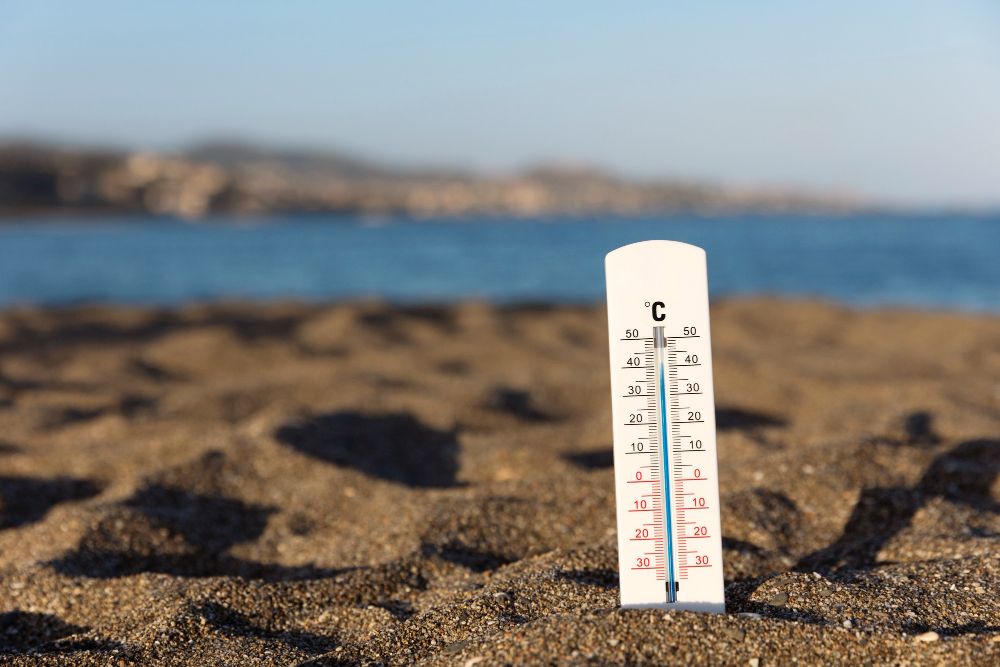
Reactions: record heat in summer 2022 caused more than 61,000 deaths in Europe, more than 11,000 of them in Spain

The heat waves that took place in Europe during the summer of 2022 were associated with more than 61,000 deaths on the continent, more than 11,000 of them in Spain. These are the results of a modelling study published in the journal Nature Medicine and led by ISGlobal researchers.

0

Reactions to the approval of lecanemab for the treatment of Alzheimer's patients in the US

The drug lecanemab (Leqembi™) has received full approval as a treatment for early Alzheimer's disease by the US Food and Drug Administration (FDA), after confirming its clinical benefit in a trial involving 1,795 patients. The FDA highlights the warning that in rare cases it can cause serious and potentially life-threatening side effects.

0

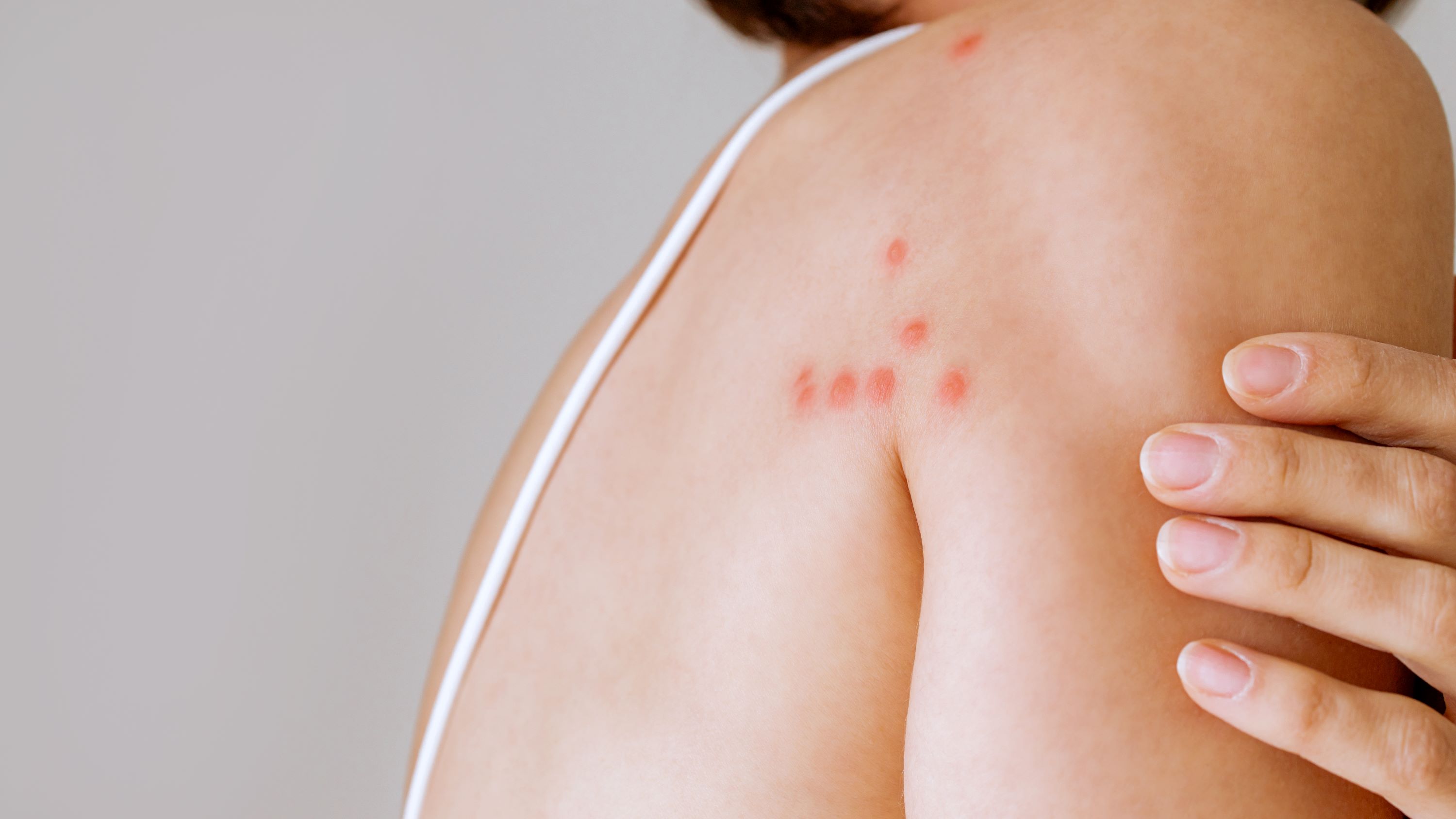
How to distinguish dangerous species of mosquitoes and what to do if you get bitten by one

Summer conjures up images of swimming pools, beaches, holidays and also, buzzing and bites. Mosquitoes have been with us all our lives, but globalisation has led to the arrival in Spain of invasive species capable of causing diseases such as dengue and yellow fever. How can we distinguish dangerous species and avoid their bites?

0

Reaction to two methods using artificial intelligence techniques to forecast the weather

Two studies published in the journal Nature use artificial intelligence (AI) to try to predict the weather. One system, trained on nearly 40 years of global weather data, is capable of predicting global weather patterns up to a week in advance. The second, called NowcastNet, combines physics rules and deep learning for immediate prediction of precipitation, including extreme precipitation.

0

Reactions: World Meteorological Organisation declares onset of El Niño conditions

The World Meteorological Organisation (WMO) has declared the onset of El Niño conditions on Tuesday. "The declaration of El Niño by the WMO is the signal for governments around the world to mobilise preparations to limit the impacts on our health, our ecosystems and our economies," said WMO Secretary-General Petteri Taalas. According to the WMO statement, El Niño conditions have developed in the tropical Pacific for the first time in seven years, setting the stage for a likely rise in global temperatures and altered weather and climate patterns.

0

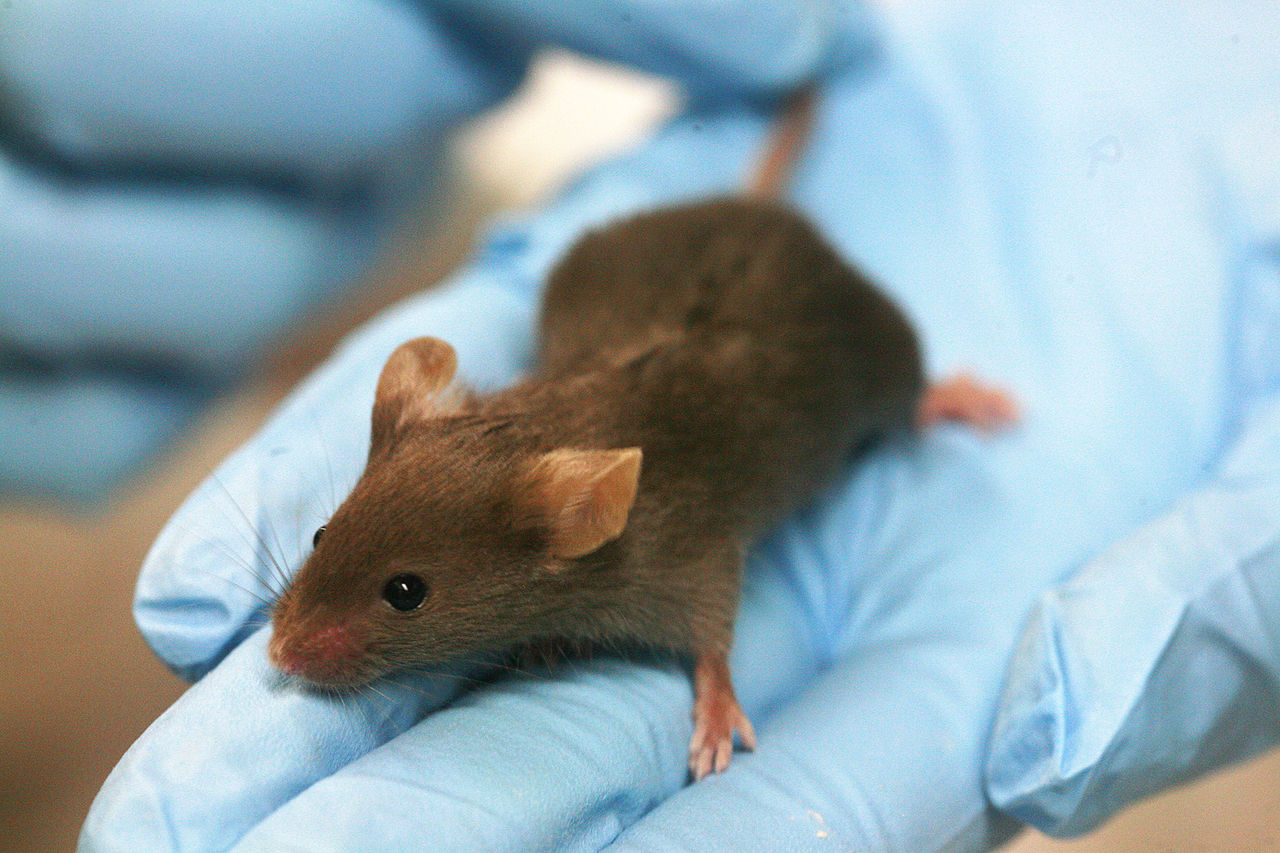
Reactions: klotho protein administration improves memory in aged macaques

Klotho is a protein whose concentrations tend to decline with age and which has been linked to ageing processes. Now, researchers have found that administration of the protein improves cognitive function in aged rhesus macaques, including benefits in spatial and working memory. According to the authors, who publish the results in the journal Nature Aging, its use "may be therapeutic in humans".

0

Reactions: movement data can predict Parkinson's risk years before diagnosis

Parkinson's disease is usually diagnosed when there is already extensive neuronal damage and symptoms are evident. Now, researchers at Cardiff University in the UK have used movement and sleep quality data from wearable accelerometers and concluded that they can help identify the disease early, years before clinical diagnosis. Although there is no effective preventive treatment, the authors propose that the tool can determine people at risk of developing Parkinson's disease and identify participants for clinical trials of neuroprotective treatments. The results are published in the journal Nature Medicine.

0

Reaction: IceCube detects for the first time the emission of high-energy neutrinos from inside the Milky Way galaxy

The IceCube neutrino observatory, built deep under Antarctic ice, has detected the emission of high-energy neutrinos from within the Milky Way. According to the research, published in the journal Science, this is the first time scientists have obtained solid evidence for the emission of these particles within our galaxy, as they had previously identified high-energy neutrino emission from extragalactic sources.

0

Reactions: evidence found of a cosmic background of gravitational waves possibly produced by supermassive black hole collisions

The International Pulsar Timing Array (IPTA) consortium has discovered evidence for the existence of a cosmic background of gravitational waves. The results, published by different IPTA consortia in several scientific journals, would show that this cosmic background would be the result of collisions of supermassive black holes. In 2015, researchers from the LIGO and Virgo collaborations made the first direct observation of gravitational waves caused by the collision of two stellar-mass black holes. These waves oscillate several times per second. What the consortia have now found are gravitational waves emitted by supermassive binary black holes at the centre of galaxies, waves that oscillate on timescales of many years.

0