Reactions

Reactions

Reactions

When science hits the headlines, we seek the views of expert sources who assess the news rigorously and quickly, according to the available evidence.

Reactions to study linking sleep deprivation in adolescence with increased risk of multiple sclerosis

A Swedish study has found an association between lack of sleep or poor quality sleep during adolescence and an increased risk of developing multiple sclerosis later in life. They put the relative increased risk at 40 %. The results are published in the Journal of Neurology, Neurosurgery and Psychiatry.

0

Reactions to trial using CAR-T cells prepared from donors to treat multiple myeloma

Approved therapies to treat various tumours using CAR-T cells are based on the modification of the patient's own lymphocytes in the laboratory, which delays their administration. A phase 1 clinical trial has used ready-made donor cells to treat patients with multiple myeloma. The results are published in the journal Nature Medicine.

0

Reaction to a study measuring the rapid increase in global light pollution over the past decade

The brightness of the night sky has increased by 7 to 10 % per year (depending on the region of the world) in the range visible to the human eye, according to an analysis based on 51,000 observations made with the naked eye by citizen scientists between 2011 and 2022. According to the research, published in Science, this increase is faster than what can be observed with satellites; satellites cannot detect blue emissions from LED lights, which are increasingly used in street lighting.

0

Reactions to the study exploring how the microbiome is transmitted by social contact

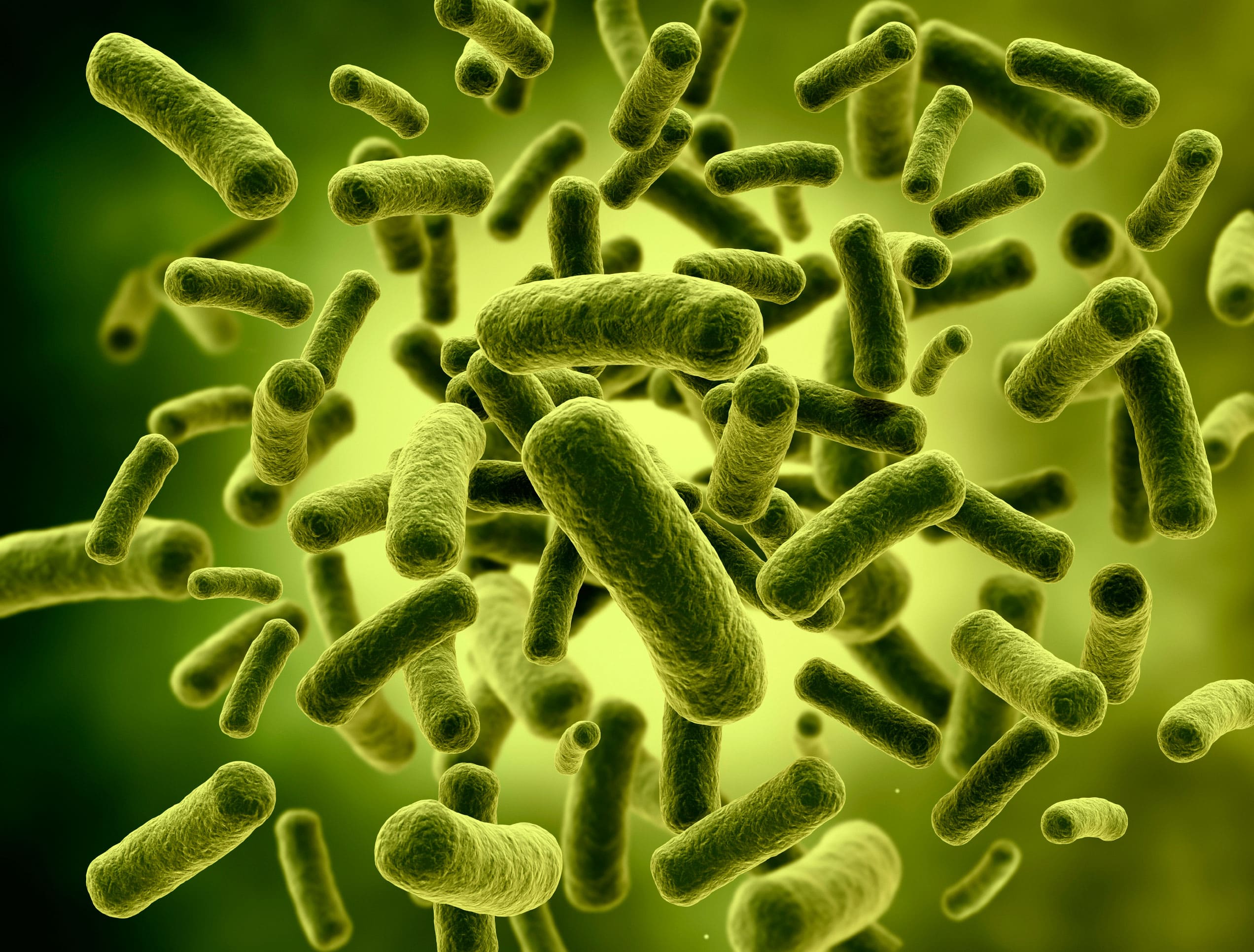
An international team including researchers from Spain has analysed the level of exchange of microbial strains between different generations (vertical transmission) and between people who share a household or are close contacts (horizontal transmission). The analysis, published in the journal Nature, is based on about 9,700 microbiome samples from the faeces and saliva of people with different lifestyles from countries. According to the research, the transmission of bacteria is more frequent for the mouth microbiome than for the gut microbiome among people living together.   

0

Reaction: Neonatal screening for spinal muscular atrophy improves children's walking ability at two years of age

Between 2018 and 2020, a pilot programme conducted neonatal genetic screening of children born in Australia for spinal muscular atrophy, allowing treatment to begin early. A study just published in The Lancet Child & Adolescent Health looks at their condition at two years of age and concludes that they had better movement ability, including the ability to walk, compared to children diagnosed once they develop symptoms. According to the authors, the findings justify further implementation of neonatal screening for the disease.

0

Reaction: taking calcium supplements to prevent fractures is not justified in the general population

Available studies show no difference in the risk of different types of fracture between those who take calcium supplements and those who do not, according to a report by the Iberoamerican Cochrane Centre via Nutrimedia. According to the report, these supplements have side-effects and do not provide benefits in the general population and are therefore only recommended for people living in residential homes or other institutions.   

0