
A migraine treatment drug, ubrogepant, also reduces common non-headache symptoms that occur in the hours before a migraine, according to the results of a large phase III clinical trial published in Nature Medicine. The results suggest that this could be the first acute treatment for symptoms that occur before migraine and have a significant impact on daily life, such as dizziness, sensitivity to light and noise, and neck pain.

Migratory birds are particularly affected by the climatic, ecological and urban changes resulting from the constantly changing world in which we live. Their survival is at risk, as are the ecosystems in which they live. We analyse the threats they face on a cyclical basis during their migratory routes and why it is important to protect them.
A team from the Centre for Genomic Regulation (CRG) and Pompeu Fabra University (UPF) in Barcelona has developed an artificial intelligence tool capable of designing regulatory sequences for genes that do not exist in nature. When introduced into cells, these enhancers can increase or decrease gene activity in a specific way depending on the type of cell targeted. According to the authors, ‘the potential applications are enormous. It's like writing software, but for biology.’ The results are published in the journal Cell.

Research published in The Lancet estimates that 18.9% of women and 14.8% of men worldwide experienced sexual violence before the age of 18. The study, conducted in 204 countries from 1990 to 2023, identified significant differences between countries and regions. The authors highlight the difficulty of distinguishing whether these variations are due to real differences or to unequal levels of reporting. In Spain, the figures obtained in this systematic review are 10.8% for girls and 12.2% for boys.
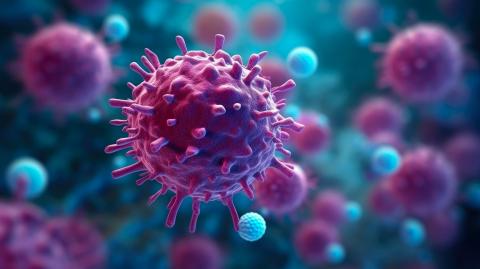
A phase 1 clinical trial has tested the safety and preliminary efficacy of a new form of CAR-T cell therapy - which they call “armed” - in patients with lymphoma. The novelty consists of adding another gene to help increase response. Of the 21 patients treated, all resistant to multiple lines of treatment including approved CAR-T therapies in 20 of them, 81% showed a response and 52% went on to achieve complete remission without significantly greater side effects than with the standard option. The results are published in the journal NEJM.

Consumption of ultra-processed food is associated with an increased likelihood of having prodromal signs of Parkinson's disease - symptoms that precede the disease - says a study published in Neurology. The analysis is based on data from more than 42,000 healthcare professionals in the US, followed for up to 26 years.

A team has analysed data from a survey of more than 3,000 teenagers aged 11-19 in the UK. Their findings show that those with mental health problems spend an average of 50 minutes more per day on social media than those who do not suffer from them. According to the authors, who publish the results in the journal Nature Human Behaviour, further research is needed to know if this is a causal relationship.

The role of midwives goes far beyond monitoring pregnancies and attending births. We explain why they are such a crucial part of the National Health System, what obstacles they face and what their main demands are.

A team led by the Centre for Genomic Regulation (CRG) in Barcelona and the Institute for Bioengineering of Catalonia (IBEC) has developed and used a new artificial intelligence (AI) tool called CANYA, together with a large volume of data, to predict when and why protein aggregation takes place. The resource could be used to advance research into neurodegenerative diseases and drug production, according to the joint press release. The results are published in the journal Science Advances.

At this time, it is unknown what caused the massive power outage that left millions of people without electricity on the Iberian Peninsula on Monday. The influence of renewable energy sources is also unknown.