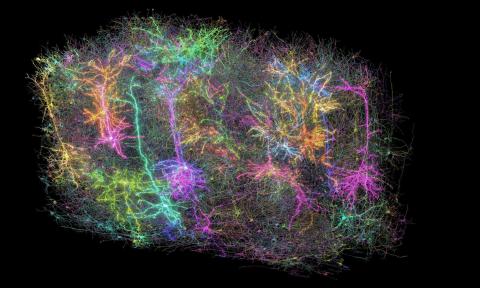
A set of articles published in Nature and Nature Methods draws a high-resolution map of the structure of and connections between the brain cells of mice. The map is based on data from a single cubic millimetre of brain and includes more than 200,000 cells, around 84,000 neurons and 524 million synaptic connections. Although this is a very small part of the mouse brain, it will help us understand how different types of cells work together.
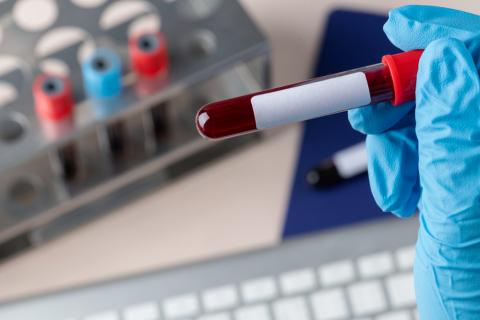
An international team with Spanish participation has analysed the usefulness of a blood biomarker - the p-tau217 protein - for detecting Alzheimer's disease in 1,767 patients. According to the authors, who publish the results in the journal Nature Medicine, the test has detected the disease with high reliability in four hospital cohorts, as well as in a primary care cohort. They add that it is an assay that can be easily implemented in clinical laboratories and is already routinely used in some centres in Spain.
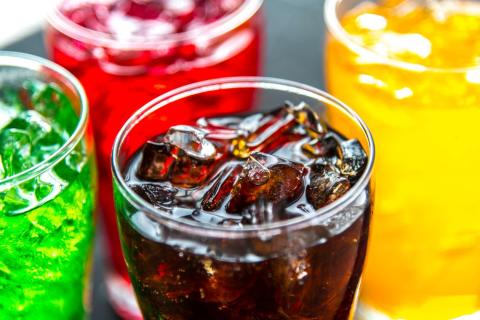
Consuming certain mixtures of common food additives is linked to a slightly increased risk of developing type 2 diabetes, according to an analysis of data from more than 108,000 adults in France. The study, published in PLoS Medicine, identified five mixtures of additives frequently used in ultra-processed foods and concluded that two of them are associated with the disease: the first mixture consisted mainly of emulsifiers, preservatives and a colouring agent, and the second of acidifiers, acidity regulators, colouring agents, artificial sweeteners and emulsifiers.
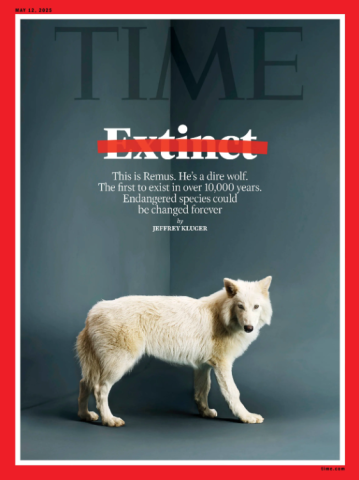
The company Colossal Biosciences has announced the birth of what they call three ‘dires wolves’, Romulus, Remus and Khaleesi, as reported in Time. The puppies, conceived in domestic dogs, were born thanks to genetic engineering techniques and ancient DNA to resemble a species that became extinct over 10,000 years ago.
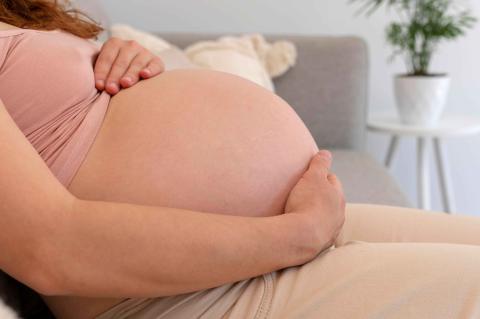
A review of 202 studies involving more than 56 million mother-child pairs has observed an association between maternal diabetes — including pre-pregnancy and gestational diabetes — and an increased risk of neurodevelopmental disorders in children, such as autism spectrum disorders, attention deficit hyperactivity disorder or intellectual disability. The authors, who publish the results in the journal The Lancet Diabetes & Endocrinology, call for a cautious interpretation of the association, as there is currently little evidence of a causal relationship.

An international team has carried out a review of studies and a meta-analysis on the cardiovascular safety of the drugs used to treat ADHD (attention deficit hyperactivity disorder). Their conclusions are that most of them, and not just the stimulants, affect the pulse and blood pressure. According to the authors, who publish the results in the journal The Lancet Psychiatry, although the changes are slight, ‘professionals should monitor blood pressure and pulse in patients with ADHD treated with any pharmacological intervention’.
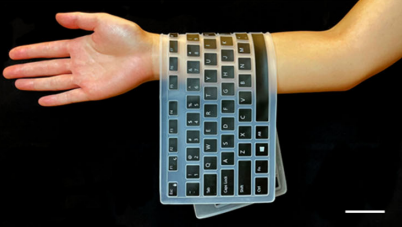
An American team has developed a ‘smart’ computer keyboard that could be used for the early diagnosis of Parkinson's disease. The prototype is a flexible device, linked to a mobile application, whose keys detect slight variations in the pressure applied by the user, allowing for the quantitative analysis of motor symptoms. The study, published in Science Advances, presents the validation of the keyboard with three people with Parkinson's.

One characteristic that is considered distinctive of human language is its capacity to combine elements and form more complex and meaningful structures, which is known as compositionality. Its most complex form, in which meaning is not simply the result of the sum of words, has not been found in any other animal species. Now, an international team claims to have observed it for the first time in bonobos. The results, published in Science, call into question assumptions about the uniqueness of human language and open up new avenues for understanding the evolution of communication, according to the journal.

US President Donald Trump has announced that all goods imported into the United States will be subject to a 10 % tariff. In the case of goods from the European Union, this will increase to 20 %, according to the executive order signed by Trump, which will affect the EU's science and health industry. This tariff will be even higher with other trading partners. The measure will not affect pharmaceuticals for the time being.

An experimental drug called mavoglurant can reduce the consumption of both cocaine and alcohol in people with cocaine use disorder, according to the results of a phase 2 clinical trial with 68 participants. Although trials with more participants are needed, the results suggest that this drug should be studied further. The findings, in which Spanish teams have participated, are published in the journal Science Translational Medicine.