Centre for Biomedical Research in the Mental Health Network (CIBERSAM)
If you are the contact person for this centre and you wish to make any changes, please contact us.
Senior scientist at the Institute for Biomedical Research of Barcelona (IIBB-CSIC), principal investigator at CIBERSAM and head of the Systems Neuropharmacology group at IDIBAPS-Fundació Clínic.
Lecturer of the Department of Social Psychology and Quantitative Psychology at the University of Barcelona, researcher at the Bellvitge Biomedical Research Institute (IDIBELL) and CIBERSAM
Director of the Institute of Neurosciences at Hospital Clínic, Professor of Psychiatry at the University of Barcelona and researcher at IDIBAPS and CIBERSAM
Head of the psychiatry department at the Fundación Jiménez Diaz, psychiatry professor at the Universidad Autónoma de Madrid
Professor at the Department of Psychiatry of the School of Medicine of the Universidad Autónoma de Madrid and member of CIBERSAM
ICREA Research Professor, Director of Andero Lab and the Rodent Behavioral Core at the Autonomous University of Barcelona (UAB), and researcher in the Department of Psychobiology and Methodology of Health Sciences at the UAB and at the Carlos III Health Institute, CIBERSAM

A U.S.-based team analyzed 302 post mortem brains—including 101 from individuals who had experienced post-traumatic stress—and identified specific epigenetic molecular differences in those with this disorder. Furthermore, these changes can vary depending on sex or the age at which the trauma occurred. According to the authors, who published their findings in Cell Reports, this type of research could eventually contribute to the development of more individualized treatments.
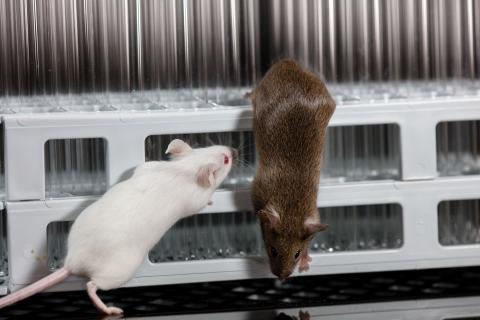
Stress in early childhood could make the brain more vulnerable to chronic pain and anxiety in adulthood, particularly in women, according to a new study carried out on mice and published today in the journal Science. According to the authors, understanding the neural pathway responsible for this increased sensitivity could provide a therapeutic target for treating these conditions.
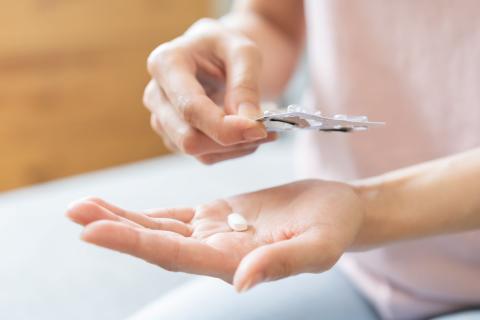
A review published in The Lancet Psychiatry shows that some antidepressants, such as escitalopram and duloxetine, may be more effective than fluoxetine at helping people with depression to improve and to remain on treatment in the long term — typically for around six months. The study, which pooled the results of 115 randomised controlled trials on 21 antidepressants involving more than 30,000 people, is the first to compare the long-term efficacy — over more than 12 weeks — of different antidepressants.

Using clinical and genetic data from more than 10,000 Australians with depression, an international team has found that nearly 25 per cent suffered from what they have termed ‘circadian depression’ – a subtype previously proposed by the scientific community that is characterised by disrupted sleep-wake cycles, reduced daytime activity and low energy levels. In the study, those identified as having this form of depression reported an earlier age of onset, more severe clinical features and weight gain during depressive episodes. The authors, whose study is published in The British Journal of Psychiatry, state that these findings “support the apparent validity and potential clinical utility of a circadian subtype of depression as a clinical profile”.

The Karolinska Institute has awarded the Nobel Prize in Medicine or Physiology to Karl Deisseroth, Peter Hegemann, and Georg Nagel for their discoveries regarding light-activated ion channels and optogenetics. This method, which makes it possible to activate or deactivate individual neurons in a living brain, “is currently used in laboratories around the world to unravel the mysteries of the brain,” the institute announced.
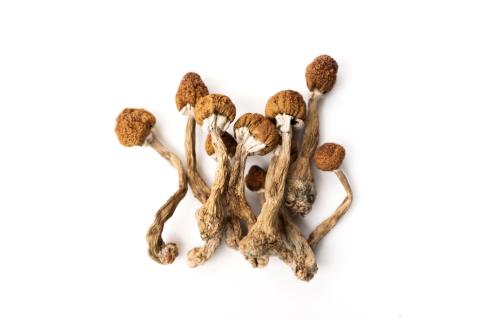
The hallucinogen psilocybin, found in certain mushrooms, is being investigated as a treatment for conditions such as depression. A study published in Nature Communications shows that a single 25 mg dose of the compound can produce brain changes lasting up to a month after administration. These were measured using neuroimaging techniques in 28 healthy adults who had never taken psychedelics. In terms of psychological effects, participants showed increased cognitive flexibility, psychological insight, and well-being after one month.

A review published in The Lancet Psychiatry has examined the prevalence of major depressive disorder during pregnancy, the peripartum period—immediately before and after childbirth—and the postpartum period—up to twelve months after childbirth. The study, which used data from more than two million women and girls aged 10 to 59 from all regions of the world, showed that approximately one in 15 (6.8%) is affected by major depression during the year following childbirth and that the prevalence was highest during the first two weeks after childbirth (8.3%). The authors call for greater integration of screening, prevention, and treatment of this disorder during the peripartum period into current care models.
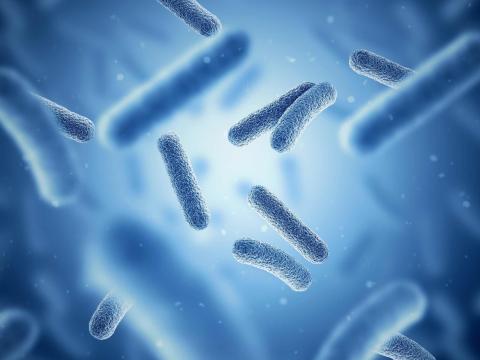
One of the best-known genetic risk factors for developing Parkinson’s disease is carrying variants of the GBA1 gene. A new study published in the journal Nature Medicine compared the microbiomes of 43 carriers of this gene who had not developed the disease with those of 271 Parkinson’s patients and 150 healthy individuals. The results showed, in addition to alterations in the microbiome in the patient group, that 25% of the microbiome of carriers of this gene exhibited alterations, representing an intermediate profile between the other two groups. The results were validated using independent cohorts from the United Kingdom, South Korea, and Turkey. According to the authors, “alterations in the gut microbiome can identify individuals with both genetic and non-genetic risk in the general population who may be progressing toward Parkinson’s disease.”
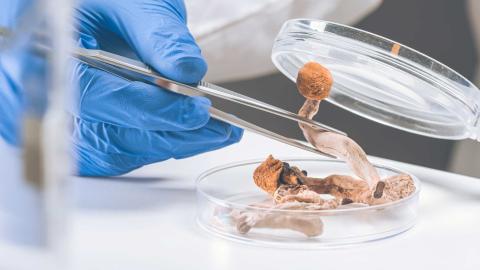
The study of psychedelic drugs in pharmacological treatments had its eureka moment with chemist Albert Hofmann's famous bike ride under the influence of LSD in 1938 and then developed over decades, but with Richard Nixon it was shelved. In recent years, it has resurfaced in hospitals and laboratories around the world. Last week, the Congress of Deputies hosted a conference on these substances. We explain what they are, what they are used for, the current state of research, and their risks, with the help of expert sources.

The American Psychiatric Association has unveiled the new features of the forthcoming Diagnostic and Statistical Manual of Mental Disorders (DSM) in five articles published in The American Journal of Psychiatry. Among the highlights are the proposed change of name — it will become the Diagnostic and Scientific Manual — and the intention for it to be more dynamic, incorporating biomarkers for diagnosis and integrating the socioeconomic, cultural and environmental determinants of health. According to the authors, the aim is to enable a more personalised and inclusive clinical practice, aligned with scientific rigour. The most recent update was published in 2022 with the DSM-5-TR, and specialists are currently unaware of the date of the next edition, as they reported during a briefing with journalists.