
Complutense University of Madrid
If you are the contact person for this centre and you wish to make any changes, please contact us.
Lecturer of Palaeontology at the Complutense University of Madrid (UCM) and affiliated researcher at CENIEH
Assistant Professor in the department of Nursing at the Complutense University of Madrid and Director of the CEST Research Group on Emotional Competence, Health, and Well-being in the Workplace
Professor of Prehistory and member of the Institute for Feminist Research at the Complutense University of Madrid
Associate Professor at Camilo José Cela University, researcher at the HM Hospitales Health Research Institute (Madrid) and collaborating researcher in the Department of Personality, Evaluation and Clinical Psychology at the Complutense University of Madrid
Professor of Astrophysics and Director of the Space Astronomy Group at the Complutense University of Madrid
Acute Cardiac Care Unit Coordinator. Cardiovascular Institute. Hospital Clínico San Carlos. Madrid; Associate Professor of Medicine at Complutense University of Madrid; and President of the Association of Ischemic Heart Disease and Acute Cardiac Care of the Spanish Society of Cardiology
Accredited professor, lecturer at the Faculty of Psychology and director of the Research Group on Testimony Psychology at the Complutense University of Madrid
Professor of Biochemistry at the Complutense University of Madrid, president of the Spanish Society of Dietetics and Food Sciences (SEDCA) and treasurer of the Spanish Federation of Nutrition, Food and Dietetics Societies (FESNAD).
Lecturer in the Department of Theoretical Physics and member of the Dynamics of Disordered Systems group at the Complutense University of Madrid
Professor and Director of the Antibiotic Resistance Unit at the Complutense University of Madrid, WHO adviser on antibiotic resistance and One Health
Researcher at the TRANSOC Institute of the Faculty of Political Science and Sociology at the Complutense University of Madrid (UCM)
Professor at the Complutense University of Madrid (UCM) and director of the Arthropod Biology and Biodiversity Research Group.
Professor of Regional Geographical Analysis and Director of the Research Group 'Forest Geography, Policy and Socioeconomics'
Professor in the Department of Mathematical Analysis at the Complutense University of Madrid, Full Member of the Royal Academy of Exact, Physical and Natural Sciences of Spain (RAC) and member of the Spanish Royal Mathematical Society (RSME)
Talent Researcher in the Department of Theoretical Physics of the Complutense University of Madrid
Retired professor of Geophysics and Meterorology in the Department of Earth Physics and Astrophysics at the Complutense University of Madrid.
Full Professor in the Department of Personality, Assessment, and Clinical Psychology at the Complutense University of Madrid and expert in unwanted loneliness
Researcher at the Optics Department of the Complutense University of Madrid
Lecturer in the Department of Immunology, Ophthalmology, and ENT at the School of Medicine of the Complutense University of Madrid
Researcher at the Institute of Geosciences, IGEO (CSIC-UCM)
Full Professor of the Department of Biodiversity, Ecology and Evolution at the Complutense University of Madrid
Professor in the Psychology Division
Lecturer of the Department of Sociology: Methodology and Theory at the Complutense University of Madrid
Psychiatrist for children and adolescents at the 12 de Octubre University Hospital and associate professor in the Legal Medicine, Psychiatry and Pathology Department of the Faculty of Medicine of UCM
Research professor at the Institute of Geosciences, IGEO (CSIC-UCM)
Professor of the Department of Earth Physics and Astrophysics at the Faculty of Physical Sciences of the Complutense University of Madrid
Professor in the Department of Biochemistry and Molecular Biology, Faculty of Medicine
Professor of Zoology at the Complutense University of Madrid (UCM)
Planetary geologist and astrobiologist at the IGEO (CSIC-UCM). Academician of the Royal Academies of Sciences and Doctors of Spain. President of the Planetary Geology Commission of the Geological Society of Spain and of the Spanish Network of Planetology and Astrobiology.
Professor of Biochemistry and Molecular Biology, director of the Biophys-Hub research group and former dean of the Faculty of Biology at the Complutense University of Madrid
Permanent tenured professor in the Prehistory Area of the Department of Prehistory, Ancient History and Archaeology at the Complutense University of Madrid
Scientific researcher in Parkinson's disease at the Complutense University of Madrid
Lecturer in the Department of Optics at the Faculty of Physical Sciences and member of the interdisciplinary research group on Computational Optics (GICO) at the Complutense University of Madrid
Adjunct professor at the International University of La Rioja (UNIR) and member of the Cognitive Psychology Research Group at the Complutense University of Madrid Measurement and Modelling of Processes (PsiMed / MEMOpro)
Professor at the UCM and member of the research group on Evolutionary and Conservation Biology
Professor in the Department of Prehistory, Ancient History and Archaeology at the Complutense University of Madrid
Professor of Atomic, Molecular, and Nuclear Physics in the Department of Structure of Matter, Thermal Physics, and Electronics at the Complutense University of Madrid (UCM) and researcher in Gamma Ray Astrophysics at the Institute of Particle Physics and Cosmos (IPARCOS) at UCM
CSIC geologist and paleontologist at the Institute of Geosciences (CSIC-UCM)
UNA4CAREER postdoctoral researcher in the Condensed Matter Theoretical Physics Group of the Complutense University of Madrid
Neurologist at the Department of Neurology of the Hospital Universitario 12 de Octubre and professor at the Department of Medicine of the Universidad Complutense de Madrid
Head of Cardiology at San Carlos Clinical Hospital and professor at Complutense University of Madrid
Professor of Ergonomics, Faculty of Psychology, Colour Blindness and Design Research Group
PhD in Planetary Geology and researcher at the Lunar and Planetary Laboratory of the University of Arizona-UCM who applied for this ESA selection process
Permanent lecturer, Faculty of Psychology, Daltonism and Design Research Group
Lecturer and principal investigator of the Nano-Immunotherapies group in the Department of Cell Biology at the Complutense University of Madrid
Pre-doctoral researcher in the Department of Earth Physics and Astrophysics, School of Physical Sciences, Complutense University of Madrid
Specialist in immunodeficiencies and Associate Professor of Paediatrics at the Complutense University of Madrid
Professor of Biochemistry and Molecular Biology at the Complutense University of Madrid and vice-president of the Spanish Observatory of Medicinal Cannabis
Professor at the Department of Applied Sociology, Faculty of Education, Complutense University of Madrid
Senior Lecturer (PhD) in the Department of Algebra, Geometry and Topology at the Complutense University of Madrid
Researcher in the department of Physics of the Earth and Astrophysics at the Complutense University of Madrid (UCM).
Professor of Geophysics in the Department of Earth Physics and Astrophysics, School of Physical Sciences, Complutense University of Madrid
Professor of Theoretical Physics
Faculty of Physical Sciences
Complutense University of Madrid
Associate Professor, Department of Public and Maternal and Child Health, Faculty of Medicine, Universidad Complutense de Madrid
professor of Obstetrics and Gynaecology at the Universidad Complutense de Madrid, ex-president of the Spanish Association for the Study of Menopause (AEEM)
Director of Research and Innovation at the Foundation for Climate Research and Associate Professor in the Department of Algebra, Geometry and Topology at the Complutense University of Madrid (UCM).
Economist at the Complutense University of Madrid, President of SESPAS.
Professor of the Department of Optics at the Faculty of Physical Sciences of the Complutense University of Madrid and Director of the Research Group "Laser Physics, Quantum Optics and Nonlinear Optics"
Immunologist
Permanent Lecturer in the Department of Biochemistry and Molecular Biology at the Complutense University of Madrid
Researcher in the Department of Experimental Psychology, Cognitive Processes and Speech Therapy of the Faculty of Psychology
Professor in the Department of Prehistory, Ancient History and Archaeology
Professor of the Department of Microbiology and Parasitology, Faculty of Pharmacy, Complutense University of Madrid
Lecturer in the Department of Immunology, Ophthalmology, and ENT at the School of Medicine of the Complutense University of Madrid
Reuters has reported that aspartame, one of the most common artificial sweeteners, will be listed as "possibly carcinogenic to humans" by the International Agency for Research on Cancer (IARC), an agency of the World Health Organisation, in July.

The WHO has issued a new guideline advising against the use of non-sweetened sweeteners for weight control or to reduce the risk of noncommunicable diseases. The recommendation is based on the findings of a systematic review published in 2022.

Two decades of research has found no differences in psychological well-being and the quality of family relationships between children born through assisted reproduction with third-party intervention (gamete donation or surrogacy) and those born naturally. The results, published in Developmental Psychology, suggest that it is better to talk to them early, at preschool age, about their biological origins.

Babies who are exposed to dogs and cats during foetal development and early childhood have a lower risk of food allergies up to the age of three, according to a Japanese study published in PLoS ONE. Previous work has focused on the beneficial effect of dogs in this period, while this analysis, based on retrospective data from more than 66,000 children, also includes other pets such as cats and hamsters. According to the study, exposure to dogs is associated with a lower incidence of egg, milk and nut allergies, while contact with cats is linked to a lower incidence of egg, wheat and soy allergies. However, exposure to hamsters is associated with a higher incidence of nut allergy.
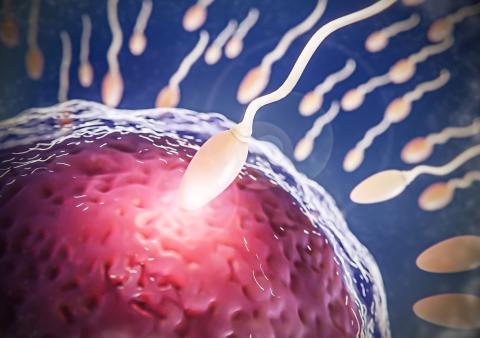
A sperm donor in the Netherlands has allegedly fathered more than 550 children in at least 13 clinics in the Netherlands and other countries. One of the mothers of these children and the Donorkind Foundation (Netherlands) have sued him. In Spain, there is a national registry of gamete and pre-embryo donors, and the law on assisted human reproduction techniques does not allow more than six babies to be born from the same donor.

More than two thirds of Spanish citizens think that artificial intelligence presents a very high or high risk that we will be manipulated with our data by companies or governments. However, just over a third believe that artificial intelligence will have an impact on improving the quality of public services and companies. These are some of the results gathered in the 2022 edition of the Survey of Social Perception of Science and Technology published today by the Spanish Foundation for Science and Technology (FECYT), carried out among more than 6,000 people with face-to-face interviews in the 17 autonomous communities.
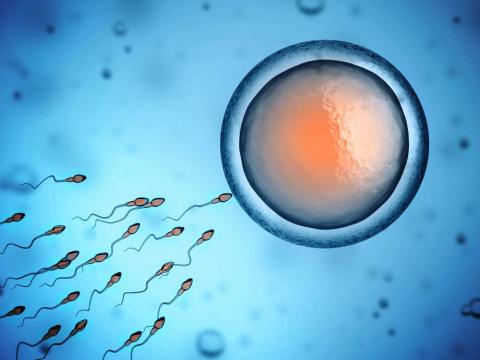
Researchers in the United States have tested a new technique to select sperm and thereby increase the chances that the embryo will be of either sex. The proven efficacy is around 80 %. Although some countries such as the United States allow this type of procedure, in Spain it is prohibited except in cases of prevention of diseases linked to sex chromosomes. The authors of the article state that sperm selection is more ethically acceptable than embryo selection. The results are published in the journal PLOS ONE.

Space debris and satellites orbiting close to Earth have proliferated in recent years. Two articles in Nature Astronomy warn of their impact on light pollution. In the first, a team calculates the increase in the brightness of the night sky and warns of the effect on ecosystems and astronomical observations from Earth. In the second, which is a commentary, the authors call for limiting the production of artificial light and the number of satellites in orbit, calling on the scientific community to take on the big space and big light companies. Both articles are co-signed by Salvador Bará, from the Agrupación Astronómica Coruñesa, and the second by Fabio Falchi, from the University of Santiago de Compostela.

A study in mice has found that high doses of the sweetener sucralose can reduce the immune response and, under certain laboratory conditions, alter its action against infections or tumours. The results are published in the journal Nature.
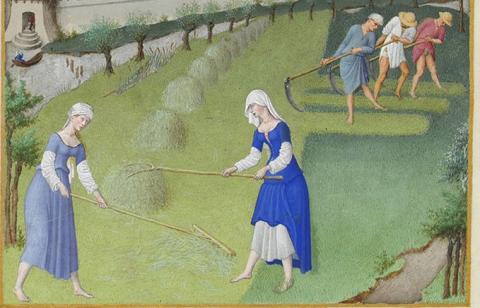
A study has analysed around 10,000 teeth from 139 archaeological sites in Europe dating from around 1200 AD in the Middle Ages. The differences between the teeth of men and women make it possible to establish who had better living conditions and received more attention in each place. Comparing the data with the contemporary situation, they conclude that greater gender discrimination in the past correlates with greater inequality today. According to the authors, this persistence is most likely due to intergenerational transmission, as it is interrupted when there is a large population replacement. The results are published in the journal PNAS.