
Complutense University of Madrid
If you are the contact person for this centre and you wish to make any changes, please contact us.
Lecturer of Palaeontology at the Complutense University of Madrid (UCM) and affiliated researcher at CENIEH
Assistant Professor in the department of Nursing at the Complutense University of Madrid and Director of the CEST Research Group on Emotional Competence, Health, and Well-being in the Workplace
Professor of Prehistory and member of the Institute for Feminist Research at the Complutense University of Madrid
Associate Professor at Camilo José Cela University, researcher at the HM Hospitales Health Research Institute (Madrid) and collaborating researcher in the Department of Personality, Evaluation and Clinical Psychology at the Complutense University of Madrid
Professor of Astrophysics and Director of the Space Astronomy Group at the Complutense University of Madrid
Acute Cardiac Care Unit Coordinator. Cardiovascular Institute. Hospital Clínico San Carlos. Madrid; Associate Professor of Medicine at Complutense University of Madrid; and President of the Association of Ischemic Heart Disease and Acute Cardiac Care of the Spanish Society of Cardiology
Accredited professor, lecturer at the Faculty of Psychology and director of the Research Group on Testimony Psychology at the Complutense University of Madrid
Professor of Biochemistry at the Complutense University of Madrid, president of the Spanish Society of Dietetics and Food Sciences (SEDCA) and treasurer of the Spanish Federation of Nutrition, Food and Dietetics Societies (FESNAD).
Lecturer in the Department of Theoretical Physics and member of the Dynamics of Disordered Systems group at the Complutense University of Madrid
Professor and Director of the Antibiotic Resistance Unit at the Complutense University of Madrid, WHO adviser on antibiotic resistance and One Health
Researcher at the TRANSOC Institute of the Faculty of Political Science and Sociology at the Complutense University of Madrid (UCM)
Professor at the Complutense University of Madrid (UCM) and director of the Arthropod Biology and Biodiversity Research Group.
Professor of Regional Geographical Analysis and Director of the Research Group 'Forest Geography, Policy and Socioeconomics'
Professor in the Department of Mathematical Analysis at the Complutense University of Madrid, Full Member of the Royal Academy of Exact, Physical and Natural Sciences of Spain (RAC) and member of the Spanish Royal Mathematical Society (RSME)
Talent Researcher in the Department of Theoretical Physics of the Complutense University of Madrid
Retired professor of Geophysics and Meterorology in the Department of Earth Physics and Astrophysics at the Complutense University of Madrid.
Full Professor in the Department of Personality, Assessment, and Clinical Psychology at the Complutense University of Madrid and expert in unwanted loneliness
Researcher at the Optics Department of the Complutense University of Madrid
Lecturer in the Department of Immunology, Ophthalmology, and ENT at the School of Medicine of the Complutense University of Madrid
Researcher at the Institute of Geosciences, IGEO (CSIC-UCM)
Full Professor of the Department of Biodiversity, Ecology and Evolution at the Complutense University of Madrid
Professor in the Psychology Division
Lecturer of the Department of Sociology: Methodology and Theory at the Complutense University of Madrid
Psychiatrist for children and adolescents at the 12 de Octubre University Hospital and associate professor in the Legal Medicine, Psychiatry and Pathology Department of the Faculty of Medicine of UCM
Research professor at the Institute of Geosciences, IGEO (CSIC-UCM)
Professor of the Department of Earth Physics and Astrophysics at the Faculty of Physical Sciences of the Complutense University of Madrid
Professor in the Department of Biochemistry and Molecular Biology, Faculty of Medicine
Professor of Zoology at the Complutense University of Madrid (UCM)
Planetary geologist and astrobiologist at the IGEO (CSIC-UCM). Academician of the Royal Academies of Sciences and Doctors of Spain. President of the Planetary Geology Commission of the Geological Society of Spain and of the Spanish Network of Planetology and Astrobiology.
Professor of Biochemistry and Molecular Biology, director of the Biophys-Hub research group and former dean of the Faculty of Biology at the Complutense University of Madrid
Permanent tenured professor in the Prehistory Area of the Department of Prehistory, Ancient History and Archaeology at the Complutense University of Madrid
Scientific researcher in Parkinson's disease at the Complutense University of Madrid
Lecturer in the Department of Optics at the Faculty of Physical Sciences and member of the interdisciplinary research group on Computational Optics (GICO) at the Complutense University of Madrid
Adjunct professor at the International University of La Rioja (UNIR) and member of the Cognitive Psychology Research Group at the Complutense University of Madrid Measurement and Modelling of Processes (PsiMed / MEMOpro)
Professor at the UCM and member of the research group on Evolutionary and Conservation Biology
Professor in the Department of Prehistory, Ancient History and Archaeology at the Complutense University of Madrid
Professor of Atomic, Molecular, and Nuclear Physics in the Department of Structure of Matter, Thermal Physics, and Electronics at the Complutense University of Madrid (UCM) and researcher in Gamma Ray Astrophysics at the Institute of Particle Physics and Cosmos (IPARCOS) at UCM
CSIC geologist and paleontologist at the Institute of Geosciences (CSIC-UCM)
UNA4CAREER postdoctoral researcher in the Condensed Matter Theoretical Physics Group of the Complutense University of Madrid
Neurologist at the Department of Neurology of the Hospital Universitario 12 de Octubre and professor at the Department of Medicine of the Universidad Complutense de Madrid
Head of Cardiology at San Carlos Clinical Hospital and professor at Complutense University of Madrid
Professor of Ergonomics, Faculty of Psychology, Colour Blindness and Design Research Group
PhD in Planetary Geology and researcher at the Lunar and Planetary Laboratory of the University of Arizona-UCM who applied for this ESA selection process
Permanent lecturer, Faculty of Psychology, Daltonism and Design Research Group
Lecturer and principal investigator of the Nano-Immunotherapies group in the Department of Cell Biology at the Complutense University of Madrid
Pre-doctoral researcher in the Department of Earth Physics and Astrophysics, School of Physical Sciences, Complutense University of Madrid
Specialist in immunodeficiencies and Associate Professor of Paediatrics at the Complutense University of Madrid
Professor of Biochemistry and Molecular Biology at the Complutense University of Madrid and vice-president of the Spanish Observatory of Medicinal Cannabis
Professor at the Department of Applied Sociology, Faculty of Education, Complutense University of Madrid
Senior Lecturer (PhD) in the Department of Algebra, Geometry and Topology at the Complutense University of Madrid
Researcher in the department of Physics of the Earth and Astrophysics at the Complutense University of Madrid (UCM).
Professor of Geophysics in the Department of Earth Physics and Astrophysics, School of Physical Sciences, Complutense University of Madrid
Professor of Theoretical Physics
Faculty of Physical Sciences
Complutense University of Madrid
Associate Professor, Department of Public and Maternal and Child Health, Faculty of Medicine, Universidad Complutense de Madrid
professor of Obstetrics and Gynaecology at the Universidad Complutense de Madrid, ex-president of the Spanish Association for the Study of Menopause (AEEM)
Director of Research and Innovation at the Foundation for Climate Research and Associate Professor in the Department of Algebra, Geometry and Topology at the Complutense University of Madrid (UCM).
Economist at the Complutense University of Madrid, President of SESPAS.
Professor of the Department of Optics at the Faculty of Physical Sciences of the Complutense University of Madrid and Director of the Research Group "Laser Physics, Quantum Optics and Nonlinear Optics"
Immunologist
Permanent Lecturer in the Department of Biochemistry and Molecular Biology at the Complutense University of Madrid
Researcher in the Department of Experimental Psychology, Cognitive Processes and Speech Therapy of the Faculty of Psychology
Professor in the Department of Prehistory, Ancient History and Archaeology
Professor of the Department of Microbiology and Parasitology, Faculty of Pharmacy, Complutense University of Madrid
Lecturer in the Department of Immunology, Ophthalmology, and ENT at the School of Medicine of the Complutense University of Madrid

A meta-analysis, pooling the results of 40 previous studies - involving more than 310,000 children and adolescents in total - concludes that treatment rates for mental disorders in these age groups are "generally low, especially for depression and anxiety". The research, published in JAMA Network Open, shows that the treatment rate for any mental disorder is 38%, ranging from 31% for anxiety, 36% for depression, 49% for conduct disorders and 58% for attention deficit hyperactivity disorder (ADHD).
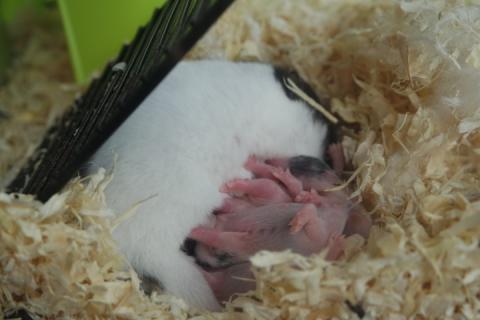
Spermidine is a naturally occurring compound that has been linked to increased longevity in some organisms. New research shows that supplementation with this compound improves oocyte quality and fertility in older female mice. If its action and safety in humans is confirmed, the authors argue that it could serve as a therapeutic strategy to "improve the reproductive outcome of older women, either through natural pregnancy or assisted reproductive technologies". The results are published in the journal Nature Aging.
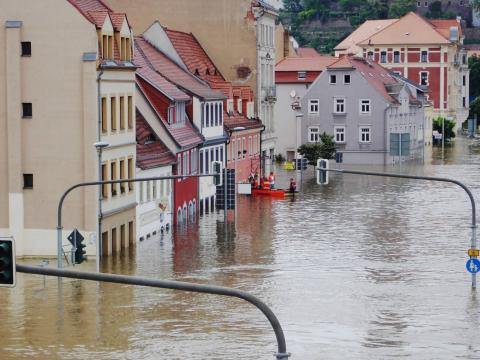
A study published in Nature has analyzed the presence of human settlements in flood-prone areas and their evolution worldwide since 1985. Until 2015, there was an increase of up to 122% in these settlements in flood-prone areas. According to their data, in many regions, the growth in the most hazardous areas is far outpacing development in non-exposed areas, especially in East Asia.
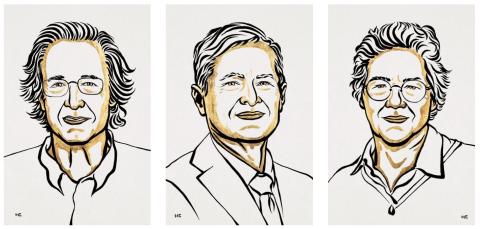
The Royal Swedish Academy of Sciences has awarded the 2023 Nobel Prize in Physics to Pierre Agostini, Ferenc Krausz and Anne L'Huillier for developing "experimental methods generating attosecond light pulses". These advances made it possible to observe the motion of particles in atoms on the shortest time scale captured by humans. An attosecond is a unit of time equivalent to one trillionth of a second, roughly the time it takes light to travel the diameter of an atom.
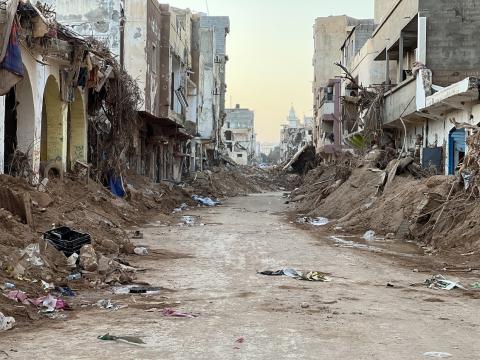
Las lluvias torrenciales caídas en Libia hace dos semanas fueron 50 veces más probables por el calentamiento global provocado por la acción humana. Algo similar ocurría con las lluvias caídas en Grecia, Bulgaria y Turquía, que fueron 10 veces más probables por el cambio climático, según concluye un estudio de atribución rápido de la Word Weather Attribution (WWA). La investigación apunta a que la tragedia en Libia se agravó por otros factores humanos, como construcciones en llanuras inundables y presas en mal estado. Los autores también analizaron las inundaciones registradas en España a principios de septiembre y concluyeron que precipitaciones tan intensas se esperan una vez cada 40 años.
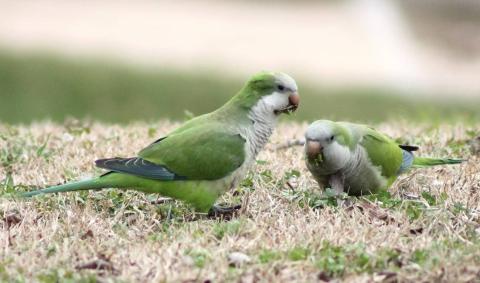
According to a new report from the Intergovernmental Science-Policy Platform on Biodiversity and Ecosystem Services (IPBES), human activities have introduced over 37,000 exotic species to regions around the world. The document highlights that more than 3,500 of these are harmful invasive exotic species that are often overlooked until it's too late.

The International Agency for Research on Cancer (IARC) and the Joint FAO/WHO Expert Committee on Food Additives (JECFA) have published a health impact assessment of the sweetener aspartame. Citing "limited evidence" of carcinogenicity in humans, IARC has classified aspartame as possibly carcinogenic to humans (Group 2B). For its part, JECFA has not changed the acceptable daily intake of this sweetener, which is set at 40 mg/kg body weight. According to these bodies, with one can of diet soft drink containing 200-300 mg aspartame, a 70 kg adult would need to consume more than 9-14 cans per day to exceed the acceptable daily intake - assuming no other intake from other dietary sources.
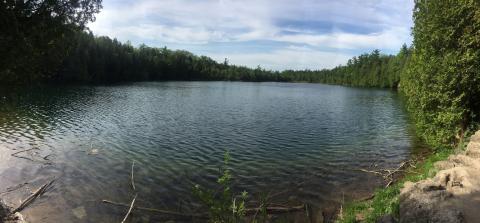
The Anthropocene Working Group of the International Commission on Stratigraphy has proposed Crawford Lake in Canada as a reference site for studying the Anthropocene as a possible geological epoch. This proposal for a Global boundary and Stratotype Section and Point (GSSP) was presented today at the International Congress of Stratigraphy in Lille, France. It is a necessary, but not sufficient step for the Anthropocene to enter the International Chronostratigraphic Table, the worldwide reference for geological units. Once approved by the AWG, this proposal has to go through three more votes in international geological bodies.
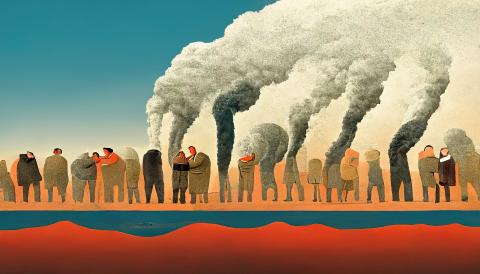
The term Anthropocene describes the profound changes on Earth due to human activities in the past decades. The concept comes from geology but has spread to other areas and has sparked controversy within science. In this article, we provide some keys to understand what the Anthropocene is, and why there has been debate in recent days surrounding its possible declaration.
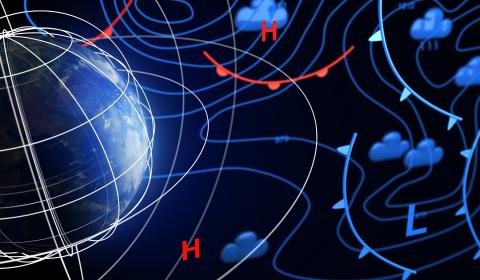
Two studies published in the journal Nature use artificial intelligence (AI) to try to predict the weather. One system, trained on nearly 40 years of global weather data, is capable of predicting global weather patterns up to a week in advance. The second, called NowcastNet, combines physics rules and deep learning for immediate prediction of precipitation, including extreme precipitation.