Health Institute Carlos III
If you are the contact person for this centre and you wish to make any changes, please contact us.
Director of the National Centre for Tropical Medicine (CNMT) at the Carlos III Health Institute
PhD in Pharmacy, Professor of Human Physiology at the University of Navarra, member of the CIBER Physiopathology of Obesity, Carlos III Health Institute and IDISNA (Navarra)
Head of the Influenza and other Respiratory Virus Surveillance Group of the National Epidemiology Centre.
Researcher at the Reference and Research Laboratory in Mycology, National Microbiology Centre, Instituto de Salud Carlos III
Senior Scientist at the Health Institute Carlos III
HIV, STI and hepatitis B and C Surveillance Unit. National Centre of Epidemiology, Health Institute Carlos III
Researcher in social epidemiology, public health and biostatistics
Researcher with a PhD employed at the National Epidemiology Centre of the Carlos III Health Institute (ISCIII)
Research scientist and member of the Department of Climate Change, Health and the Urban Environment at the Carlos III Health Institute
Senior Scientist at the Special Pathogens Research and Reference Laboratory of the National Microbiology Centre of the Carlos III Health Institute
Director and Research Scientist at the Institute for Rare Diseases Research (IIER), Carlos III Health Institute (ISCIII)
Researcher at the National Center for Microbiology - Carlos III Health Institute
Senior scientist at the Reference Laboratory for Influenza and Respiratory Viruses of the National Microbiology Centre.
Scientific researcher at the National Epidemiology Centre - Carlos III Institute of Health
Head of the Respiratory Virus and Influenza Research Group of the Carlos III Health Institute
Full professor of Pathological Anatomy at the University of Oviedo, Scientific Director of the Principality of Asturias Biobank (BioPA) and Coordinator of the Organoid hub of the ISCIII Biomodels and Biobanks platform
Senior Scientist, Immunology Laboratory, Carlos III Health Institute
Research Professor at IDIBAPS-Hospital Clínic de Barcelona and Scientific Director of CIBEREHD - Carlos III Health Institute
Researcher in Vaccine-Preventable Disease Epidemiology at the National Centre of Epidemiology of the Health Institute Carlos III and member of CIBERESP
Scientific researcher at the Reference and Research Laboratory for Immunopreventable Viral Diseases of the National Microbiology Centre - Carlos III Health Institute
Research professor and member of the Departament on Climate Change, Health and the Urban Environment at the Carlos III Health Institute
Senior Researcher, Head of the Enterovirus and Viral Gastroenteritis Unit (Reference and Research Laboratory for Immunopreventable Viral Diseases), Centro Nacional de Microbiología, Instituto de Salud Carlos III
Head of the Central Scientific-Technical Units and Head of the Veterinary Unit of the Carlos III Health Institute
Head of the National Reference Laboratory for Gastroenteritis-Producing Viruses of the National Microbiology Centre - Carlos III Health Institute
Postdoctoral researcher at the Instituto de Investigaciones Raras Health Institute Carlos III
Virologist at the Reference Laboratory for Influenza and Respiratory Viruses of the National Microbiology Centre - Carlos III Health Institute
Cancer epidemiologist and Director General of the Carlos III Health Institute
Researcher at the National Epidemiology Centre of the Carlos III Health Institute, Associate Professor of Preventive Medicine and Public Health at the University of Alcalá.
Researcher at the National Epidemiology Centre (CNE-ISCIII)
Scientific researcher at the Cancer and Environmental Epidemiology Unit of the National Epidemiology Centre, Carlos III Health Institute, member of CIBERESP and co-coordinator of the Cancer Epidemiological Surveillance Sub-programme - VICA of CIBERESP
Senior Researcher at the Carlos III Health Institute, Head of the Neuro-oncology Unit at the Chronic Diseases Research Unit (UFIEC-ISCIII)
ICREA Research Professor, Director of Andero Lab and the Rodent Behavioral Core at the Autonomous University of Barcelona (UAB), and researcher in the Department of Psychobiology and Methodology of Health Sciences at the UAB and at the Carlos III Health Institute, CIBERSAM
Assistant Professor in the Department of Preventive Medicine and Public Health at the University of Valencia, and researcher at the CIBER Centre for the Physiopathology of Obesity and Nutrition (CIBEROBN) at the Carlos III Institute
Researcher at the Reference Laboratory for Influenza and Respiratory Viruses at the Centro Nacional de Microbiología - Instituto de Salud Carlos III
Medical Epidemiologist at the National Epidemiology Centre - Carlos III Health Institute
Researcher in the Viral Biology laboratory of the Carlos III Health Institute
Senior Scientist at the Carlos III Health Institute, in the area of Environmental Toxicology of the National Center for Environmental Health
HIV, STI and hepatitis B and C Surveillance Unit. National Centre of Epidemiology, Health Institute Carlos III

After the World Cup in Qatar, National Microbiology Centre researcher María Iglesias wonders where the social alarm about an alleged outbreak of MERS came from and takes the opportunity to explain some concepts of the virus and its surveillance.

Several media outlets are reporting cases of "camel flu" or MERS-CoV at the World Cup in Qatar, including three French national team players. However, no cases have been confirmed and the news reports speak of non-specific symptoms that could be due to any other infectious condition. This coronavirus, discovered in 2012, has a high case fatality rate and before the start of the competition, the WHO had already asked fans travelling to the country to watch out for possible symptoms.
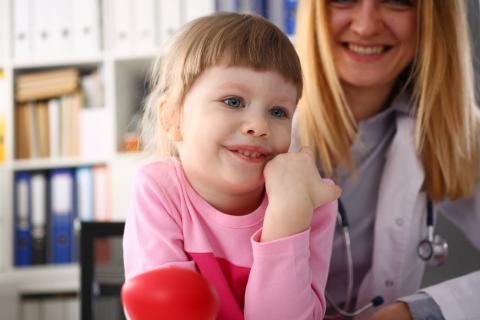
A team of researchers from the Health Institute Carlos III has published an article quantifying the diagnostic delay of rare diseases in Spain with data from the period 1960-2021. The study reveals that more than half of the patients experienced a delay in diagnosis, that the average delay exceeds six years, and that both the percentage of those affected by the delay and the average time have decreased over the years.
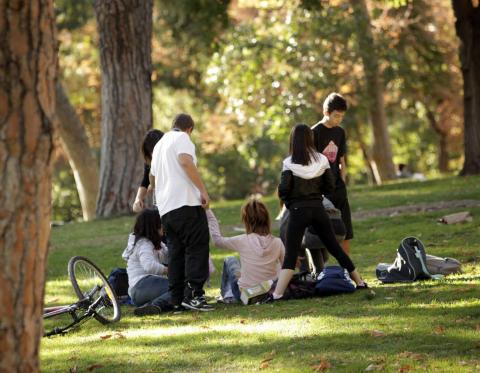
A study in Spanish children, with follow-up from pregnancy to adolescence, has found an association between children's exposure to pesticides and fungicides and earlier breast development in girls and genital development in boys. The work has been carried out by the University of Granada (UGR), the Institute for Biosanitary Research (ibs.GRANADA) and CIBERESP (ISCIII).

In a briefing organised by the Science Media Centre Spain, Amparo Larrauri and Francisco Pozo, researchers at the Health Institute Carlos III, explained how three respiratory viruses are coexisting this autumn: influenza virus, respiratory syncytial virus (responsible for most bronchiolitis) and SARS-CoV-2.
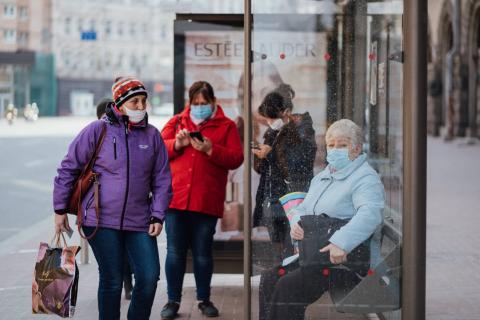
An international team with WHO participation concludes that global covid-19 infection rates may be higher than reported. The research, published in the journal PLOS Medicine, is based on a systematic review and meta-analysis of seroprevalence studies published between 1 January 2020 and 20 May 2022.
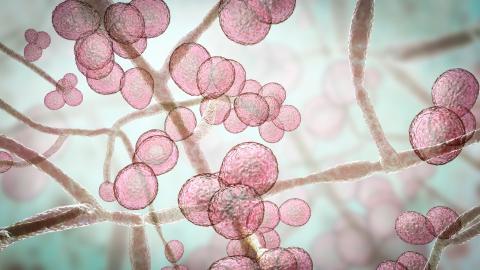
The WHO has published the first list of priority fungal pathogens, which affect more than 300 million people and kill at least 1.5 million people every year. However, funding to control this scourge is less than 1.5 % of that devoted to infectious diseases.
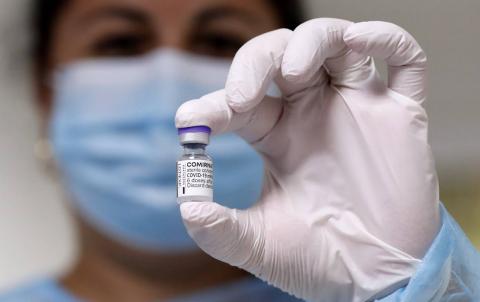
During Pfizer's appearance before the European Parliament this week, a company executive responded to the question of whether "Pfizer's vaccine was tested to stop transmission of the virus (SARS-CoV-2) before going to market" by saying "no".

A sarbecovirus distantly related to SARS-CoV-2 and found in horseshoe bats in Russia is able to enter human cells using the ACE2 receptor, according to research published in PLOS Pathogens.

Last week saw the conclusion of the XL Annual Meeting of the Spanish Society of Epidemiology under the theme: "Challenges of the 21st Century: Environment, Climate Change and Social Inequalities". Climate change is the most important environmental challenge with an impact on public health facing society today. It is also a social challenge, as it further accentuates inequalities and inequities in health.