Health Institute Carlos III
If you are the contact person for this centre and you wish to make any changes, please contact us.
Director of the National Centre for Tropical Medicine (CNMT) at the Carlos III Health Institute
PhD in Pharmacy, Professor of Human Physiology at the University of Navarra, member of the CIBER Physiopathology of Obesity, Carlos III Health Institute and IDISNA (Navarra)
Head of the Influenza and other Respiratory Virus Surveillance Group of the National Epidemiology Centre.
Researcher at the Reference and Research Laboratory in Mycology, National Microbiology Centre, Instituto de Salud Carlos III
Senior Scientist at the Health Institute Carlos III
HIV, STI and hepatitis B and C Surveillance Unit. National Centre of Epidemiology, Health Institute Carlos III
Researcher in social epidemiology, public health and biostatistics
Researcher with a PhD employed at the National Epidemiology Centre of the Carlos III Health Institute (ISCIII)
Research scientist and member of the Department of Climate Change, Health and the Urban Environment at the Carlos III Health Institute
Senior Scientist at the Special Pathogens Research and Reference Laboratory of the National Microbiology Centre of the Carlos III Health Institute
Director and Research Scientist at the Institute for Rare Diseases Research (IIER), Carlos III Health Institute (ISCIII)
Researcher at the National Center for Microbiology - Carlos III Health Institute
Senior scientist at the Reference Laboratory for Influenza and Respiratory Viruses of the National Microbiology Centre.
Scientific researcher at the National Epidemiology Centre - Carlos III Institute of Health
Head of the Respiratory Virus and Influenza Research Group of the Carlos III Health Institute
Full professor of Pathological Anatomy at the University of Oviedo, Scientific Director of the Principality of Asturias Biobank (BioPA) and Coordinator of the Organoid hub of the ISCIII Biomodels and Biobanks platform
Senior Scientist, Immunology Laboratory, Carlos III Health Institute
Research Professor at IDIBAPS-Hospital Clínic de Barcelona and Scientific Director of CIBEREHD - Carlos III Health Institute
Researcher in Vaccine-Preventable Disease Epidemiology at the National Centre of Epidemiology of the Health Institute Carlos III and member of CIBERESP
Scientific researcher at the Reference and Research Laboratory for Immunopreventable Viral Diseases of the National Microbiology Centre - Carlos III Health Institute
Research professor and member of the Departament on Climate Change, Health and the Urban Environment at the Carlos III Health Institute
Senior Researcher, Head of the Enterovirus and Viral Gastroenteritis Unit (Reference and Research Laboratory for Immunopreventable Viral Diseases), Centro Nacional de Microbiología, Instituto de Salud Carlos III
Head of the Central Scientific-Technical Units and Head of the Veterinary Unit of the Carlos III Health Institute
Head of the National Reference Laboratory for Gastroenteritis-Producing Viruses of the National Microbiology Centre - Carlos III Health Institute
Postdoctoral researcher at the Instituto de Investigaciones Raras Health Institute Carlos III
Virologist at the Reference Laboratory for Influenza and Respiratory Viruses of the National Microbiology Centre - Carlos III Health Institute
Cancer epidemiologist and Director General of the Carlos III Health Institute
Researcher at the National Epidemiology Centre of the Carlos III Health Institute, Associate Professor of Preventive Medicine and Public Health at the University of Alcalá.
Researcher at the National Epidemiology Centre (CNE-ISCIII)
Scientific researcher at the Cancer and Environmental Epidemiology Unit of the National Epidemiology Centre, Carlos III Health Institute, member of CIBERESP and co-coordinator of the Cancer Epidemiological Surveillance Sub-programme - VICA of CIBERESP
Senior Researcher at the Carlos III Health Institute, Head of the Neuro-oncology Unit at the Chronic Diseases Research Unit (UFIEC-ISCIII)
ICREA Research Professor, Director of Andero Lab and the Rodent Behavioral Core at the Autonomous University of Barcelona (UAB), and researcher in the Department of Psychobiology and Methodology of Health Sciences at the UAB and at the Carlos III Health Institute, CIBERSAM
Assistant Professor in the Department of Preventive Medicine and Public Health at the University of Valencia, and researcher at the CIBER Centre for the Physiopathology of Obesity and Nutrition (CIBEROBN) at the Carlos III Institute
Researcher at the Reference Laboratory for Influenza and Respiratory Viruses at the Centro Nacional de Microbiología - Instituto de Salud Carlos III
Medical Epidemiologist at the National Epidemiology Centre - Carlos III Health Institute
Researcher in the Viral Biology laboratory of the Carlos III Health Institute
Senior Scientist at the Carlos III Health Institute, in the area of Environmental Toxicology of the National Center for Environmental Health
HIV, STI and hepatitis B and C Surveillance Unit. National Centre of Epidemiology, Health Institute Carlos III
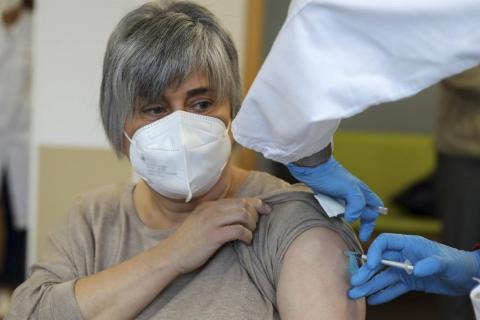
A study published in the journal Science Translational Medicine shows the results of a phase 1 trial of a new broad-spectrum influenza vaccine. Prepared in the form of nanoparticles containing the H1 hemagglutinin stem-a region that is often conserved in different subtypes of the virus-the vaccine was generally well tolerated by participants, who showed only mild side effects such as tenderness and headaches. The prototype generated an antibody response to group 1 influenza viruses in all age groups.
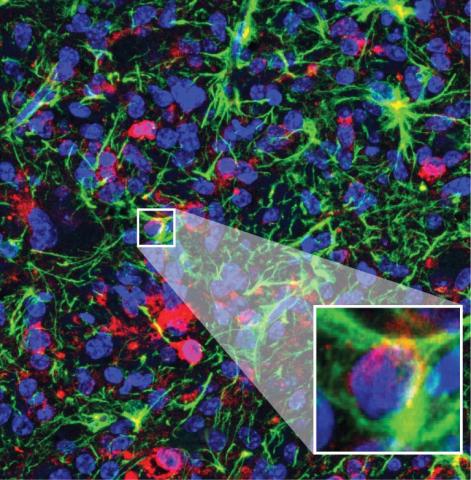
Between 10-15% of childhood brain tumours are diffuse midline gliomas, a type of tumour that occurs within the brainstem, making it almost impossible to remove surgically. Research published in Science Translational Medicine has used a type of molecule (antisense-ASO oligonucleotides) in mouse models of this tumour to slow tumour growth and prolong survival. The authors hope that the research will reach clinical trials and, in that case, the potential new treatment would be combined with others such as radiotherapy or immunotherapy with CAR-T cells.

An international group of researchers has conducted an epidemiological study to investigate the correlation between fine particulate matter (PM2.5) air pollution and certain types of lung cancer. The authors have confirmed their findings in animal models, according to research published in Nature.
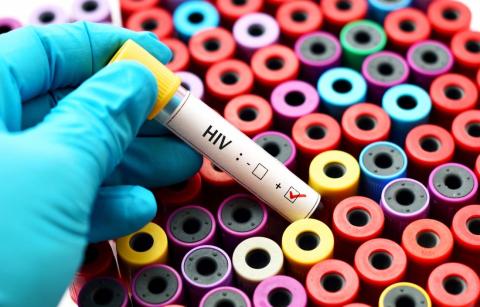
A study published in the journal Cell shares the case of the "New York patient", a woman with leukaemia and HIV who identifies as "mixed race" and has been free of the virus since 2017. She would be the first woman to be cured of the virus after a bone marrow transplant and there are now four such cases, along with patients in Düsseldorf, Berlin and London. The method involves transplanting HIV-resistant stem cells, this time from umbilical cord blood.

Un estudio ha estimado las muertes por cáncer que se producirán en la Unión Europea y el Reino Unido en 2023. Comparándolas con las observadas en 2018, estiman que se reducirán en un 6,5 % en hombres y un 3,7 % en mujeres de forma global. Sin embargo, en España aumentará la mortalidad por cáncer de pulmón en mujeres. Los resultados se publican en la revista Annals of Oncology.

The Centre for the Coordination of Alerts and Health Emergencies (CCAES) reported yesterday that last February Germany reported two cases of dengue (one confirmed and one probable), along with four cases compatible with epidemiological links, in residents of Germany who had travelled to Ibiza during the incubation period. One of the potential vectors of dengue is the Aedes albopictus mosquito, which was first detected in Ibiza in 2014. According to the CCAES, the risk of new autochthonous cases appearing in Ibiza, "at this time of low vector activity, is considered low".

Every February 28 or 29, World Rare Disease Day is celebrated, an initiative that aims to raise awareness about rare diseases in order to improve access to diagnosis and treatment and achieve a better quality of life among those who suffer from them. Here are some frequently asked questions about the most important concepts, their current situation and the main complaints that affected individuals and families continue to have.
A virological and immunological follow-up confirms that a third patient has been cured of HIV nine years after receiving a bone marrow transplant for myeloid leukaemia, and four years after stopping his antiretroviral treatment. This case of the Düsseldorf patient, similar to two previously documented in Berlin and London, is detailed in a Nature Medicine publication by an international consortium coordinated by the IrsiCaixa AIDS Research Institute and the University Medical Center in Utrecht, the Netherlands. The patient was diagnosed with HIV in 2008 and in 2011 with leukaemia, for which he received the transplant in 2013.
In January 2013, two laboratories demonstrated that CRISPR tools could be used to edit genes in human cells. Ten years later, the first patients are already benefiting from the molecular scissors to overcome incurable diseases. This week in Science, one of the pioneers of CRISPR, Nobel laureate Jennifer Doudna, summarises the history of these tools, without forgetting that it all began thirty years ago with the findings of Francis Mojica in the Santa Pola salt flats.

A study to be published in the journal Actas Dermo-Sifiliográficas analyses an outbreak of ringworm that has affected hundreds of Spanish adolescents in the last two years.