Health Institute Carlos III
If you are the contact person for this centre and you wish to make any changes, please contact us.
Director of the National Centre for Tropical Medicine (CNMT) at the Carlos III Health Institute
PhD in Pharmacy, Professor of Human Physiology at the University of Navarra, member of the CIBER Physiopathology of Obesity, Carlos III Health Institute and IDISNA (Navarra)
Head of the Influenza and other Respiratory Virus Surveillance Group of the National Epidemiology Centre.
Researcher at the Reference and Research Laboratory in Mycology, National Microbiology Centre, Instituto de Salud Carlos III
Senior Scientist at the Health Institute Carlos III
HIV, STI and hepatitis B and C Surveillance Unit. National Centre of Epidemiology, Health Institute Carlos III
Researcher in social epidemiology, public health and biostatistics
Researcher with a PhD employed at the National Epidemiology Centre of the Carlos III Health Institute (ISCIII)
Research scientist and member of the Department of Climate Change, Health and the Urban Environment at the Carlos III Health Institute
Senior Scientist at the Special Pathogens Research and Reference Laboratory of the National Microbiology Centre of the Carlos III Health Institute
Director and Research Scientist at the Institute for Rare Diseases Research (IIER), Carlos III Health Institute (ISCIII)
Researcher at the National Center for Microbiology - Carlos III Health Institute
Senior scientist at the Reference Laboratory for Influenza and Respiratory Viruses of the National Microbiology Centre.
Scientific researcher at the National Epidemiology Centre - Carlos III Institute of Health
Head of the Respiratory Virus and Influenza Research Group of the Carlos III Health Institute
Full professor of Pathological Anatomy at the University of Oviedo, Scientific Director of the Principality of Asturias Biobank (BioPA) and Coordinator of the Organoid hub of the ISCIII Biomodels and Biobanks platform
Senior Scientist, Immunology Laboratory, Carlos III Health Institute
Research Professor at IDIBAPS-Hospital Clínic de Barcelona and Scientific Director of CIBEREHD - Carlos III Health Institute
Researcher in Vaccine-Preventable Disease Epidemiology at the National Centre of Epidemiology of the Health Institute Carlos III and member of CIBERESP
Scientific researcher at the Reference and Research Laboratory for Immunopreventable Viral Diseases of the National Microbiology Centre - Carlos III Health Institute
Research professor and member of the Departament on Climate Change, Health and the Urban Environment at the Carlos III Health Institute
Senior Researcher, Head of the Enterovirus and Viral Gastroenteritis Unit (Reference and Research Laboratory for Immunopreventable Viral Diseases), Centro Nacional de Microbiología, Instituto de Salud Carlos III
Head of the Central Scientific-Technical Units and Head of the Veterinary Unit of the Carlos III Health Institute
Head of the National Reference Laboratory for Gastroenteritis-Producing Viruses of the National Microbiology Centre - Carlos III Health Institute
Postdoctoral researcher at the Instituto de Investigaciones Raras Health Institute Carlos III
Virologist at the Reference Laboratory for Influenza and Respiratory Viruses of the National Microbiology Centre - Carlos III Health Institute
Cancer epidemiologist and Director General of the Carlos III Health Institute
Researcher at the National Epidemiology Centre of the Carlos III Health Institute, Associate Professor of Preventive Medicine and Public Health at the University of Alcalá.
Researcher at the National Epidemiology Centre (CNE-ISCIII)
Scientific researcher at the Cancer and Environmental Epidemiology Unit of the National Epidemiology Centre, Carlos III Health Institute, member of CIBERESP and co-coordinator of the Cancer Epidemiological Surveillance Sub-programme - VICA of CIBERESP
Senior Researcher at the Carlos III Health Institute, Head of the Neuro-oncology Unit at the Chronic Diseases Research Unit (UFIEC-ISCIII)
ICREA Research Professor, Director of Andero Lab and the Rodent Behavioral Core at the Autonomous University of Barcelona (UAB), and researcher in the Department of Psychobiology and Methodology of Health Sciences at the UAB and at the Carlos III Health Institute, CIBERSAM
Assistant Professor in the Department of Preventive Medicine and Public Health at the University of Valencia, and researcher at the CIBER Centre for the Physiopathology of Obesity and Nutrition (CIBEROBN) at the Carlos III Institute
Researcher at the Reference Laboratory for Influenza and Respiratory Viruses at the Centro Nacional de Microbiología - Instituto de Salud Carlos III
Medical Epidemiologist at the National Epidemiology Centre - Carlos III Health Institute
Researcher in the Viral Biology laboratory of the Carlos III Health Institute
Senior Scientist at the Carlos III Health Institute, in the area of Environmental Toxicology of the National Center for Environmental Health
HIV, STI and hepatitis B and C Surveillance Unit. National Centre of Epidemiology, Health Institute Carlos III

A study published in the British Journal of Sports Medicine has found a link between the practice of physical exercise and a lower risk of developing breast cancer in any of its types. The authors claim that there is very strong evidence that the association is causal.
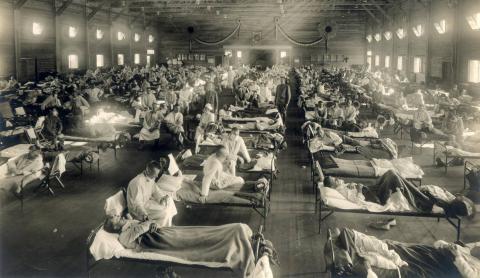
A study published today in the journal Nature Communications analyses the genomic variability of the influenza virus responsible for the 1918 pandemic and how it gave rise to the subsequent seasonal H1N1 influenza.

"The level of alcohol consumption that does not harm health is zero," says a review of dozens of studies conducted in recent years on the effect of light drinking. The 20 or so authors of the paper, and other experts, insist that "alcohol is carcinogenic from the first drink". In their view, this message should be conveyed more clearly to the public.
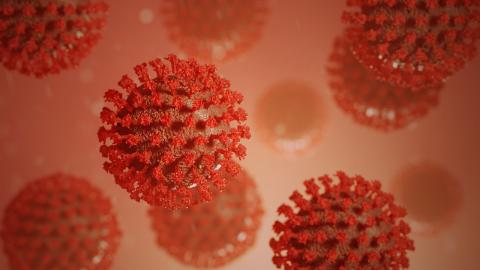
The UK Health Security Agency published in its latest report on 25 March the detection of three recombinant forms of omicron, called XE, XD and XF. The WHO mentions them in its 29 March report, noting that the possibility that XE is more transmissible than BA.2 still requires further study.
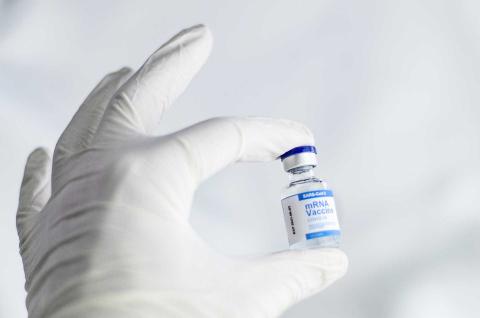
In Spain, since 13 January, the booster vaccination against covid-19 has been recommended for the general adult population. 78.8 % of those over 50 and 88.9 % of those over 60 have already had it, said the Minister of Health yesterday. If those who are missing have doubts, here we try to solve them.
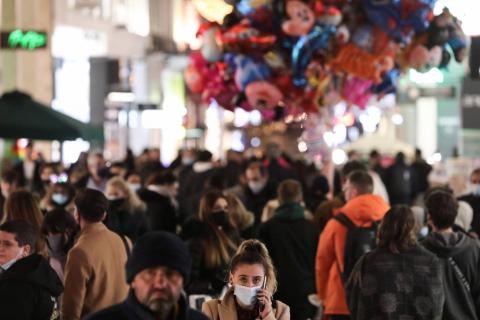
The first solid work on the ability of vaccines to stop infection with the omicron variant, which has just been published, reinforces the need for a third dose. Experts recall, however, that the aim of vaccines was never to stop infection, but to prevent severe disease. We summarize what is known so far about it.

A survey conducted by the COSMO-Spain team to find out the reasons why some people have not yet been vaccinated showed that most of them fear that vaccines are unsafe and their side effects. These results highlight the importance of rigorous communication of drugs that are considered safe and effective by all studies and agencies.
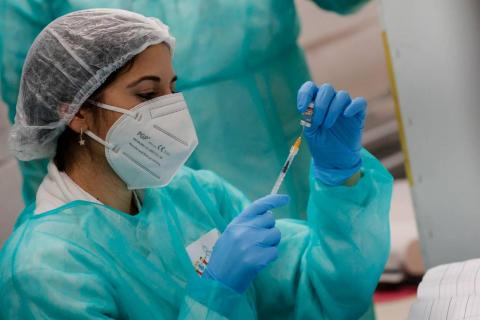
In the last few days, data, preprints, press releases and even graphs have started to arrive via social media showing how neutralising antibodies against the omicron variant behave. These studies are preliminary and we will have to wait and see how these lab data translate into the real world.
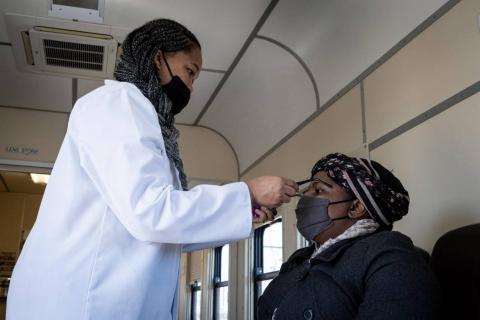
A new variant of the coronavirus causing COVID-19 has been identified in South Africa, with numerous mutations present in other variants, including Delta. Variant B.1.1.529, as it is now called, appears to be spreading rapidly in South Africa. Attached is the rapid reaction of three Spanish researchers with expertise in genomic surveillance.
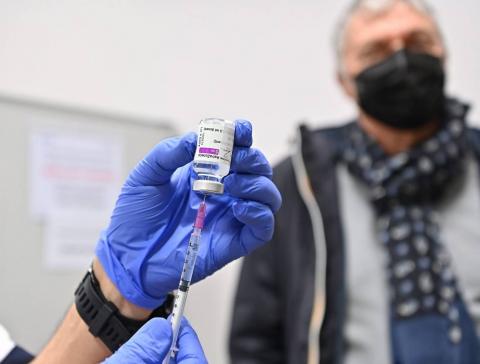
A study of more than 700,000 people in Sweden analysed the effectiveness of the heterologous schedule, combining the AstraZeneca vaccine with another dose of a messenger RNA vaccine, with the traditional homologous schedule, consisting of two doses of AstraZeneca. The results showed increased protection against SARS-CoV-2 infection when two different vaccines were combined.