
University of Barcelona
If you are the contact person for this centre and you wish to make any changes, please contact us.
Doctor in Biology and research professor in the Department of Evolutionary Biology, Ecology, and Environmental Sciences at the University of Barcelona.
Ramón y Cajal researcher at the Institute of Neurosciences at the University of Barcelona
PhD candidate in the Department of Social Psychology and Quantitative Psychology at the Faculty of Psychology, University of Barcelona
ICREA Research Professor and Coordinator of the Regenerative Medicine Programme at the Bellvitge Biomedical Research Institute (IDIBELL), member of CIBER-BBN, Director of the Clinical Translation Programme in Regenerative Medicine in Catalonia, and Professor of Physiology at the University of Barcelona.
Professor of Preventive Medicine and Public Health at the University of Barcelona and member of the Spanish Society of Epidemiology
Associate professor at the University of Barcelona, ICREA Academia fellow, and member of the Scientists’ Coalition for an Effective Plastics Treaty.
Senior Consultant at the Department of Preventive Medicine and Epidemiology at Hospital Clínic in Barcelona, Professor of Public Health and Dean of the Faculty of Medicine and Health Sciences at the University of Barcelona
Professor of Microbiology, University of Barcelona
Professor of Cognitive Neuroscience
Brainlab, Department of Clinical Psychology and Psychobiology, University of Barcelona (UB).
UB Institute of Neuroscience
Sant Joan de Déu Research Institute
Lecturer of the Department of Social Psychology and Quantitative Psychology at the University of Barcelona, researcher at the Bellvitge Biomedical Research Institute (IDIBELL) and CIBERSAM
ICREA research professor and leader of the QSBio research group at the University of Barcelona
Head of Microbiology at Hospital Clínic in Barcelona, associate professor at the University of Barcelona, and researcher at ISGlobal Barcelona
Deputy Head of the Tobacco Control Unit at the Catalan Institute of Oncology and lecturer in the Department of Nursing, Public Health, Mental Health and Maternal and Child Health at the University of Barcelona
Lecturer at the University of Barcelona (UB) and head of the Laboratory of Neural Stem Cells and Brain Damage at the Institute of Neurosciences of the UB
Director of the BCNatal maternal-fetal medicine center (Hospital Clínic-Sant Joan de Déu) and professor at the University of Barcelona.
Head of the Arrhythmias and Physical Activity research group at IDIBAPS, cardiac electrophysiologist at Hospital Clínic Barcelona, associate professor of Medicine at the University of Barcelona and researcher at CIBERCV.
Professor of Psychiatry at the University of Barcelona, Head of the Psychiatry and Psychology Department at Hospital Clínic in Barcelona, and researcher at the Biomedical Research Centre in Mental Health (CIBERSAM)
Professor of Pedagogy at the University of Barcelona
Lecturer in the Department of Fundamental and Clinical Nursing at the University of Barcelona and member of the research group ‘Bioethics, Law and Society: Interdisciplinary analysis of ethical, legal and social issues of biomedicine, biotechnology and emerging technologies’
Professor at the department of Biochemistry and Molecular Biomedicine of the University of Barcelona. Principal Investigator IBUB and CIBEROBN.
Geologist and professor at the Faculty of Earth Sciences, University of Barcelona
Gemma Marfany, Professor of Genetics at the University of Barcelona (UB) and a member of CIBERER, IBUB-IRSJD
Serra Húnter Associate Professor at the Faculty of Information and Audiovisual Media of the University of Barcelona
Neuropathologist and Professor Emeritus at the University of Barcelona
Professor of Physical Geography at the University of Barcelona, Director of the Fabra Observatory RACAB
Professor Emeritus of Ecology at the University of Barcelona
Professor of Medicine at the University of Barcelona and coordinator of the Central Sensitisation Unit at the Hospital Clínic de Barcelona.
Associate Professor, Brainlab, Department of Clinical Psychology and Psychobiology, University of Barcelona (UB)
UB Institute of Neurosciences
Sant Joan de Déu Research Institute
Clinical psychologist in the Department of Child and Adolescent Psychiatry and Psychology at Clínic Hospitaland researcher at IDIBAPS, University of Barcelona
Researcher in the Department of Developmental and Educational Psychology
Scientific coordinator of the National Health System Cancer Strategy, director of the Catalan Oncology Plan and Professor of Preventive Medicine and Public Health at the University of Barcelona
Professor of financial economics and accounting at the University of Barcelona
Researcher in the Human Anatomy and Embryology Unit of the Faculty of Medicine and Health Sciences at the University of Barcelona
Ramón y Cajal Research Professor, Department of Pathology and Experimental Therapeutics, Faculty of Medicine and Health Sciences
Physician at the Gynecological Oncology Unit at the Hospital Clínic of Barcelona, scientific coordinator at the Clinical Institute of Gynecology, Obstetrics and Neonatology (ICGON) and associate professor at the University of Barcelona
Professor of Biochemistry and Molecular Biomedicine of the University of Barcelona. Principal Investigator IBUB and CIBEROBN.
Professor of Ecology at the University of Barcelona
Serra Húnter Lecturer in the Department of Social Psychology and Quantitative Psychology at the University of Barcelona and co-director of Research at the Jane Goodall Institute Spain and Senegal
Head of Medical Oncology at the Catalan Institute of Oncology (ICO), head of the Colorectal Cancer Research Group, Oncobell programme (IDIBELL) and associate professor of Medicine at the University of Barcelona
ICREA research professor of Cosmology and Theoretical Physics at the Institute of Cosmos Sciences at the University of Barcelona, visiting professor in the Astrophysics group at Imperial College London (United Kingdom), and researcher at the Imperial Centre for Inference and Cosmology (ICIC)
Professor of Applied Economics at the University of Barcelona
Theoretical physicist and ICREA professor at the Institute of Cosmos Sciences of the University of Barcelona
Lecturer Serra Húnter, Department of Biochemistry and Molecular Biomedicine, Faculty of Biology, University of Barcelona
Professor in the Department of Electronics and Biomedical Engineering at the University of Barcelona and group leader at the Institute for Bioengineering of Catalonia
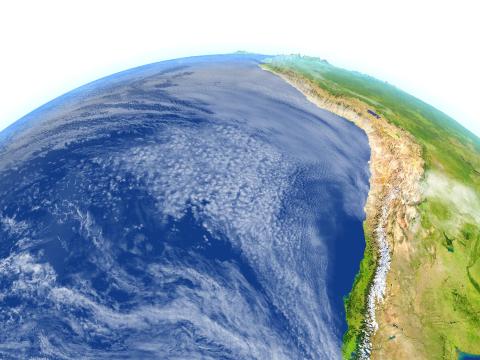
After three years in which the planet's climate has experienced a phenomenon known as La Niña, in 2023 it gives way to its opposite, El Niño. This has led the World Meteorological Organization to warn that this event, added to climate change, could cause the 1.5 °C limit to be exceeded in the next five years. But what are these "children", how do they affect Spain, how long will they last?

In a series of three articles and a companion article - collected in Nature Biotechonology - Nature publishes the first draft of the human pangenome reference, which contains highly detailed data from 47 genetically diverse individuals. The first human genome was published more than two decades ago but, being from a single person, it does not represent human diversity, whereas the pangenome refers to the gene pool of our entire species. The ultimate goal of the Human Pangenome Reference Consortium project is to include genetic material from 350 people by 2024. It is hoped that this data will allow more clinically relevant genetic variants to be identified.
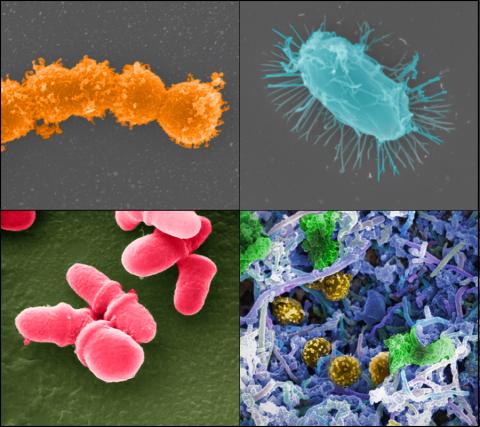
Two studies have found changes in the microbiome of patients affected by chronic fatigue syndrome. In particular, they have found a decrease in both butyrate and certain bacteria that produce butyrate. Butyrate is a factor related to the protection of the intestinal barrier and appears to play a role in the regulation of the immune system. Both papers are published in the journal Cell Host and Microbe.
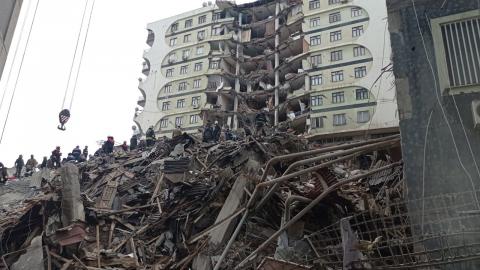
Early this morning, an earthquake with a magnitude of 7.8 struck southeastern Turkey and northern Syria. The authorities have reported thousands of deaths and extensive material damage. A second earthquake has occurred further north than the previous one.

Procrastination in a sample of more than 3,500 students was associated with the development of both mental and physical health problems nine months later, according to a study conducted at several universities in Sweden. The results are published in the journal JAMA Network Open.
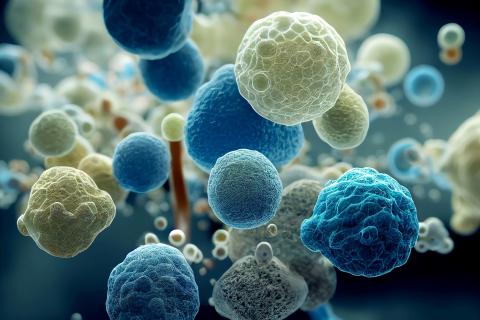
Two studies published in the journal Nature Communications have found specific characteristics in the microbiota of people with depression, including populations of different ethnicities and habits.
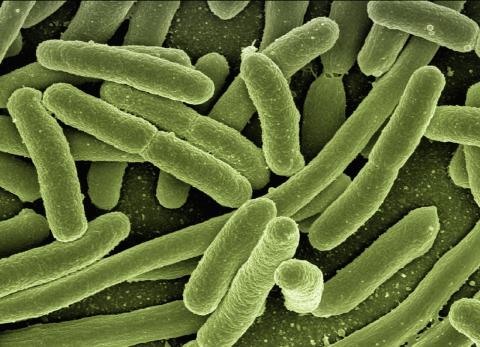
Bacterial infections were the second leading cause of death in 2019. This is according to research published in The Lancet, which estimates that one in eight deaths that year was associated with bacterial pathogens. Five of these - S. aureus, E. coli, S. pneumoniae, K. pneumoniae and P. aeruginosa - accounted for more than half of all bacteria-related deaths.
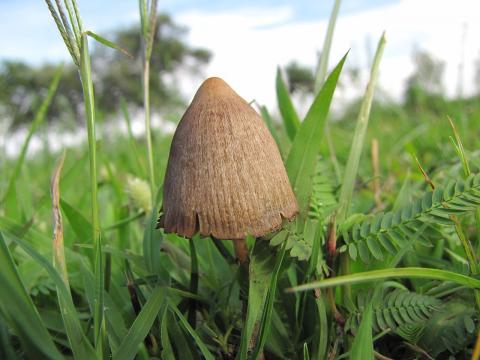
A phase 2 clinical trial has examined the use of the hallucinogen psilocybin in different amounts for the treatment of resistant depression. The results are published in the New England Journal of Medicine.
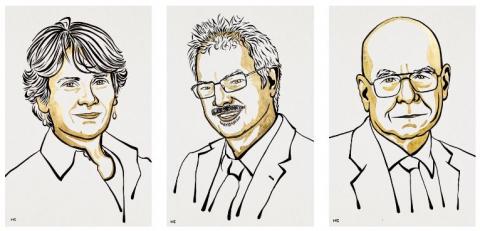
The Nobel Prize in Chemistry 2022 has been awarded to Barry Sharpless and Morten Meldal for laying the foundations of click chemistry, which quickly and efficiently joins molecular building blocks; and to Carolyn Bertozzi, who pioneered bioorthogonal reactions, which use this technique inside living organisms without altering the chemistry of the cell.

Research among more than 7,000 US adults shows small changes in extraversion, agreeableness, openness to change and conscientiousness between the period before the covid-19 pandemic and the year 2022, especially in younger people. The study is published in PLOS ONE.