
University of Barcelona
If you are the contact person for this centre and you wish to make any changes, please contact us.
Doctor in Biology and research professor in the Department of Evolutionary Biology, Ecology, and Environmental Sciences at the University of Barcelona.
Ramón y Cajal researcher at the Institute of Neurosciences at the University of Barcelona
PhD candidate in the Department of Social Psychology and Quantitative Psychology at the Faculty of Psychology, University of Barcelona
ICREA Research Professor and Coordinator of the Regenerative Medicine Programme at the Bellvitge Biomedical Research Institute (IDIBELL), member of CIBER-BBN, Director of the Clinical Translation Programme in Regenerative Medicine in Catalonia, and Professor of Physiology at the University of Barcelona.
Professor of Preventive Medicine and Public Health at the University of Barcelona and member of the Spanish Society of Epidemiology
Associate professor at the University of Barcelona, ICREA Academia fellow, and member of the Scientists’ Coalition for an Effective Plastics Treaty.
Senior Consultant at the Department of Preventive Medicine and Epidemiology at Hospital Clínic in Barcelona, Professor of Public Health and Dean of the Faculty of Medicine and Health Sciences at the University of Barcelona
Professor of Microbiology, University of Barcelona
Professor of Cognitive Neuroscience
Brainlab, Department of Clinical Psychology and Psychobiology, University of Barcelona (UB).
UB Institute of Neuroscience
Sant Joan de Déu Research Institute
Lecturer of the Department of Social Psychology and Quantitative Psychology at the University of Barcelona, researcher at the Bellvitge Biomedical Research Institute (IDIBELL) and CIBERSAM
ICREA research professor and leader of the QSBio research group at the University of Barcelona
Head of Microbiology at Hospital Clínic in Barcelona, associate professor at the University of Barcelona, and researcher at ISGlobal Barcelona
Deputy Head of the Tobacco Control Unit at the Catalan Institute of Oncology and lecturer in the Department of Nursing, Public Health, Mental Health and Maternal and Child Health at the University of Barcelona
Lecturer at the University of Barcelona (UB) and head of the Laboratory of Neural Stem Cells and Brain Damage at the Institute of Neurosciences of the UB
Director of the BCNatal maternal-fetal medicine center (Hospital Clínic-Sant Joan de Déu) and professor at the University of Barcelona.
Head of the Arrhythmias and Physical Activity research group at IDIBAPS, cardiac electrophysiologist at Hospital Clínic Barcelona, associate professor of Medicine at the University of Barcelona and researcher at CIBERCV.
Professor of Psychiatry at the University of Barcelona, Head of the Psychiatry and Psychology Department at Hospital Clínic in Barcelona, and researcher at the Biomedical Research Centre in Mental Health (CIBERSAM)
Professor of Pedagogy at the University of Barcelona
Lecturer in the Department of Fundamental and Clinical Nursing at the University of Barcelona and member of the research group ‘Bioethics, Law and Society: Interdisciplinary analysis of ethical, legal and social issues of biomedicine, biotechnology and emerging technologies’
Professor at the department of Biochemistry and Molecular Biomedicine of the University of Barcelona. Principal Investigator IBUB and CIBEROBN.
Geologist and professor at the Faculty of Earth Sciences, University of Barcelona
Gemma Marfany, Professor of Genetics at the University of Barcelona (UB) and a member of CIBERER, IBUB-IRSJD
Serra Húnter Associate Professor at the Faculty of Information and Audiovisual Media of the University of Barcelona
Neuropathologist and Professor Emeritus at the University of Barcelona
Professor of Physical Geography at the University of Barcelona, Director of the Fabra Observatory RACAB
Professor Emeritus of Ecology at the University of Barcelona
Professor of Medicine at the University of Barcelona and coordinator of the Central Sensitisation Unit at the Hospital Clínic de Barcelona.
Associate Professor, Brainlab, Department of Clinical Psychology and Psychobiology, University of Barcelona (UB)
UB Institute of Neurosciences
Sant Joan de Déu Research Institute
Clinical psychologist in the Department of Child and Adolescent Psychiatry and Psychology at Clínic Hospitaland researcher at IDIBAPS, University of Barcelona
Researcher in the Department of Developmental and Educational Psychology
Scientific coordinator of the National Health System Cancer Strategy, director of the Catalan Oncology Plan and Professor of Preventive Medicine and Public Health at the University of Barcelona
Professor of financial economics and accounting at the University of Barcelona
Researcher in the Human Anatomy and Embryology Unit of the Faculty of Medicine and Health Sciences at the University of Barcelona
Ramón y Cajal Research Professor, Department of Pathology and Experimental Therapeutics, Faculty of Medicine and Health Sciences
Physician at the Gynecological Oncology Unit at the Hospital Clínic of Barcelona, scientific coordinator at the Clinical Institute of Gynecology, Obstetrics and Neonatology (ICGON) and associate professor at the University of Barcelona
Professor of Biochemistry and Molecular Biomedicine of the University of Barcelona. Principal Investigator IBUB and CIBEROBN.
Professor of Ecology at the University of Barcelona
Serra Húnter Lecturer in the Department of Social Psychology and Quantitative Psychology at the University of Barcelona and co-director of Research at the Jane Goodall Institute Spain and Senegal
Head of Medical Oncology at the Catalan Institute of Oncology (ICO), head of the Colorectal Cancer Research Group, Oncobell programme (IDIBELL) and associate professor of Medicine at the University of Barcelona
ICREA research professor of Cosmology and Theoretical Physics at the Institute of Cosmos Sciences at the University of Barcelona, visiting professor in the Astrophysics group at Imperial College London (United Kingdom), and researcher at the Imperial Centre for Inference and Cosmology (ICIC)
Professor of Applied Economics at the University of Barcelona
Theoretical physicist and ICREA professor at the Institute of Cosmos Sciences of the University of Barcelona
Lecturer Serra Húnter, Department of Biochemistry and Molecular Biomedicine, Faculty of Biology, University of Barcelona
Professor in the Department of Electronics and Biomedical Engineering at the University of Barcelona and group leader at the Institute for Bioengineering of Catalonia

According to a Lancet Public Health commission on commercial gambling, stricter regulations are needed on a global scale to reduce its impact on health and wellbeing worldwide. The authors argue that the harms caused by gambling are a threat to public health, exacerbated by the rapid expansion and digital transformation of the industry. These harms include physical and mental health problems, increased risk of suicide, gender-based violence and financial problems.

The Karolinska Institute has awarded the Nobel Prize in Medicine or Physiology to Victor Ambros and Gary Ruvkun for the discovery of microRNAs, small RNA fragments that do not contain instructions for making proteins but instead participate in the regulation of gene expression. Their role is fundamental in processes such as cell differentiation, and their alteration can influence diseases like cancer.

The U.S. FDA has approved a new drug—called Cobenfy—to treat the symptoms of schizophrenia. Unlike traditional treatments, which are based on blocking the effects of dopamine, its mechanism of action simulates the effects of another neurotransmitter, acetylcholine. It is the first drug to be approved with a different mechanism of action in over 70 years.
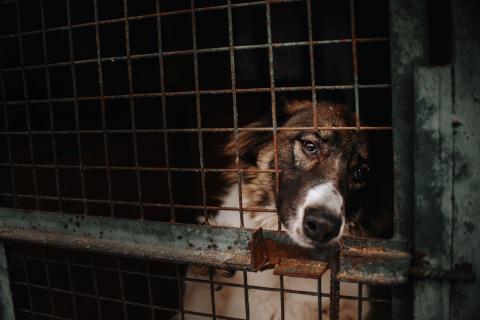
The impact of animal abandonment goes beyond the pets who suffer it, it is a public health, safety and funding issue as well. Although there have been some improvements in recent years, the experts consulted agree that the system continues to fail. In this guide, we analyze what has changed, who does this issue affect, and what must be improved.

Both sex and gender are associated with distinct networks in the brains of boys and girls, according to an analysis of brain images of 4,757 children in the US. Understanding these neurobiological patterns is important for identifying how sex and gender influence health and for developing specific diagnostic tools, the research team writes in Science Advances.

The Lancet Psychiatry publishes the first meta-analysis of the incidence of antidepressant treatment discontinuation symptoms that includes data from more than 20,000 patients collected from 79 randomised controlled trials and observational studies. The study sought to distinguish between symptoms directly caused by medication discontinuation and other ‘non-specific’ symptoms that may be associated with patient or professional expectations (the nocebo effect). The study concludes that one in six to seven patients will experience one or more symptoms directly caused by stopping medication, and one in 35 are likely to experience severe symptoms.

A South Korean research team has designed an artificial olfactory system capable of distinguishing short-chain fatty acids with 90 % reliability. These molecules serve as diagnostic biomarkers for diseases such as stomach cancer and halitosis, according to the authors, whose research is published in Science Advances. The system - consisting of human olfactory receptors, artificial synapses and an artificial neural network - is able to distinguish combinations of molecules, compared to current techniques that detect single molecules and single compounds.

Hurler syndrome is a rare and very serious disease caused by an enzyme deficiency, which results in a wide variety of signs and symptoms. Treatment with bone marrow transplantation helps to alleviate some of them, but has little effect on skeletal disorders. Now, a phase I/II trial has tested an autologous transplant of blood stem cells corrected by gene therapy in eight patients. The results, published in the journal Science Translational Medicine, suggest that the treatment is more effective and could also improve these types of disorders.

This Friday, the Interterritorial Council of the National Health System approved the Comprehensive Plan for the Prevention and Control of Smoking (PIT). The document, which incorporates 147 proposals from the autonomous communities, has not achieved consensus among all of them.

10 % of people are left-handed, which occurs when the right cerebral hemisphere is more dominant for the control of that hand - whereas it is the left hemisphere in the case of right-handed people. To investigate the genetic basis of this laterality, scientists in the Netherlands have analysed genome data from 350,000 people in the UK biobank for rare genetic variants associated with this phenomenon. The heritability of left-handedness due to rare coding variants was low, at less than 1%. The research, published in Nature Communications, suggests that one gene - TUBB4B - is 2.7 times more likely to contain rare coding variants in left-handed people.