Extreme heat in the Mediterranean Sea: are torrential rains expected in autumn?
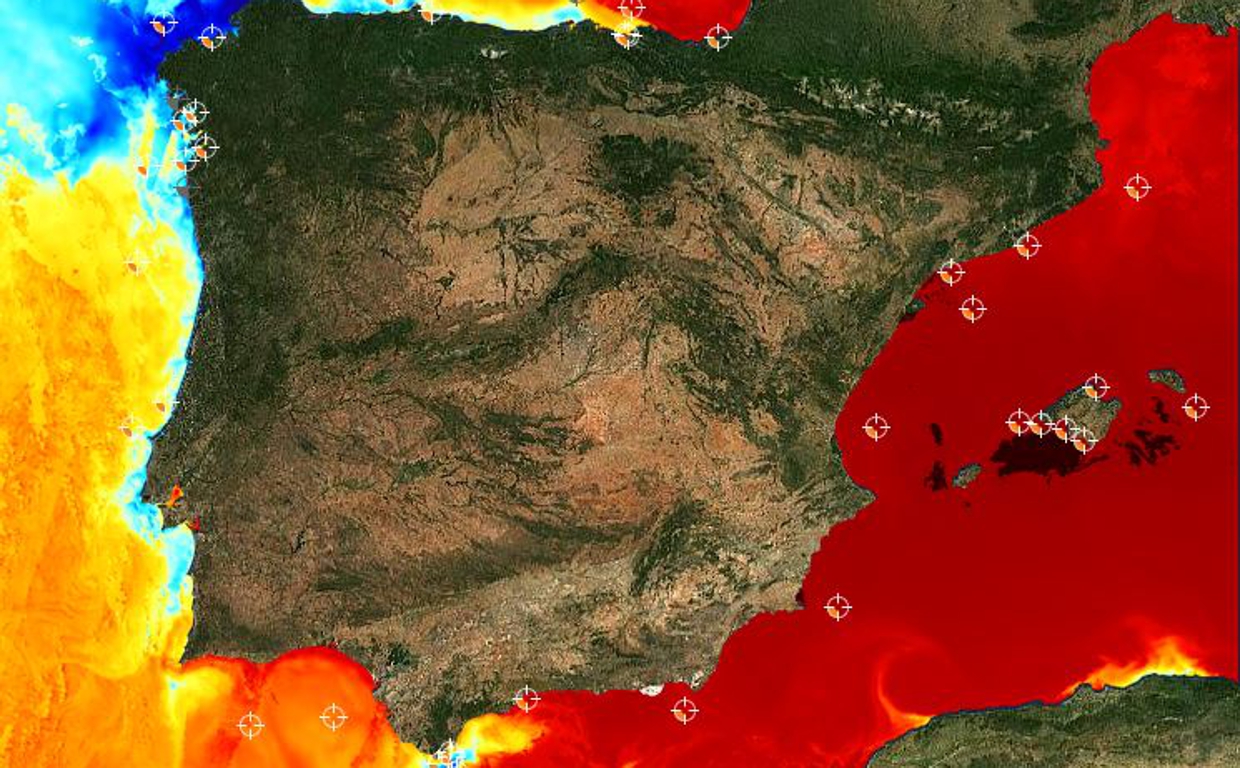
Apart from the disastrous impact of these temperatures on the marine ecosystem, we must ask ourselves whether this will mean an autumn of heavy rainfall and flooding.
We are finding fires that exceed the maximum extinguishing capacity of the resources that are being asked to control them by 4 or 5 times, which is nonsense, as well as recklessness. We should ask ourselves about our territorial, social and economic model for dealing with this situation so that we do not leave the fire-fighting services with this intractable and unsolvable problem.
Our landscapes urgently need proactive, adaptive, integrative management to enable rural development that is compatible in the medium and long term with biodiversity and ecosystem services. It is clear that unilateral and reactive management in the face of the challenges of global change is neither effective nor intelligent. And inaction is also a decision.
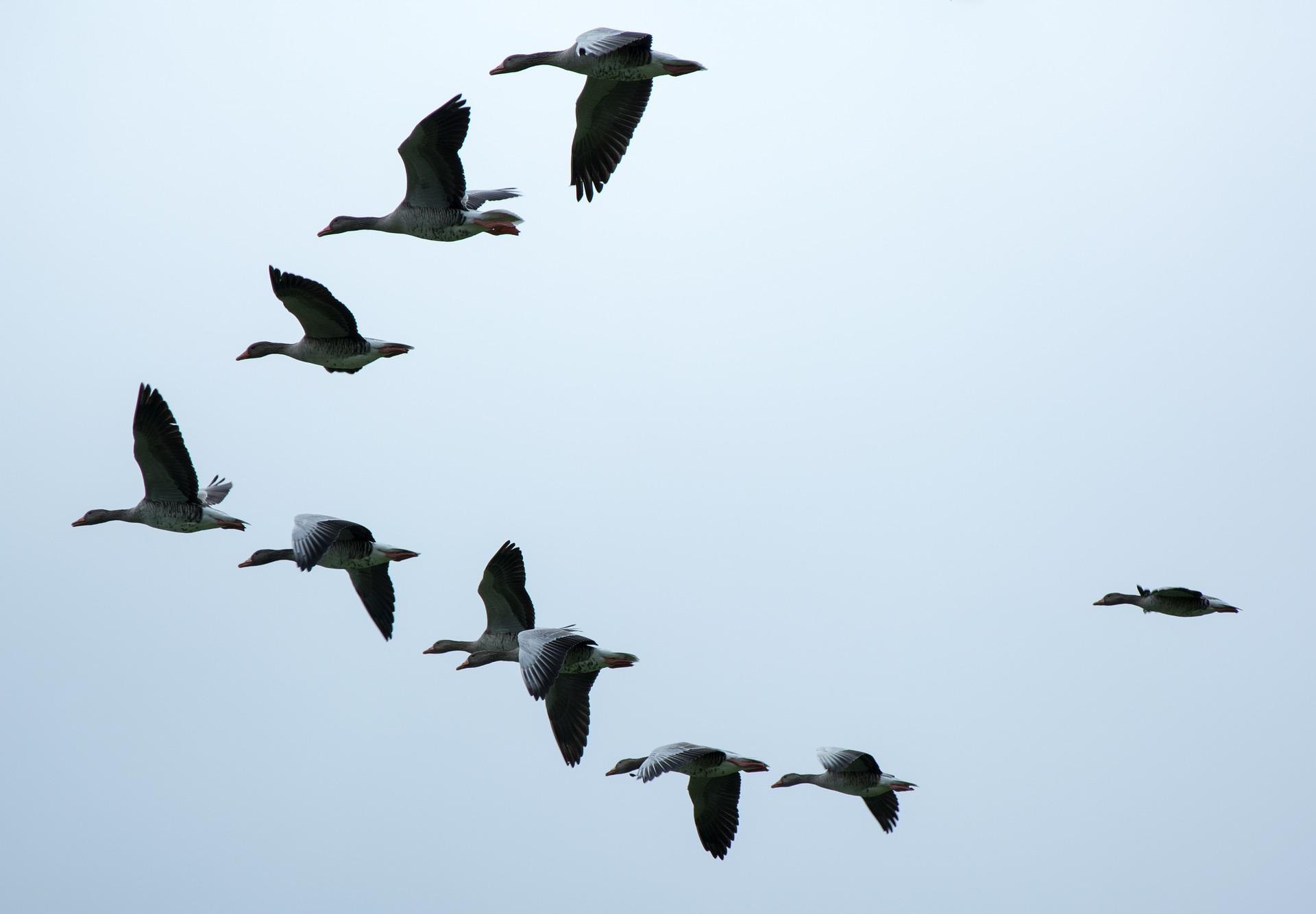
Climate change is causing a mass extinction of species, but for birds, this loss of biodiversity has wider implications. In research published in the journal Current Biology, researchers use statistical models to predict that this extinction will decrease morphological diversity among the remaining birds at a faster rate than species loss alone.
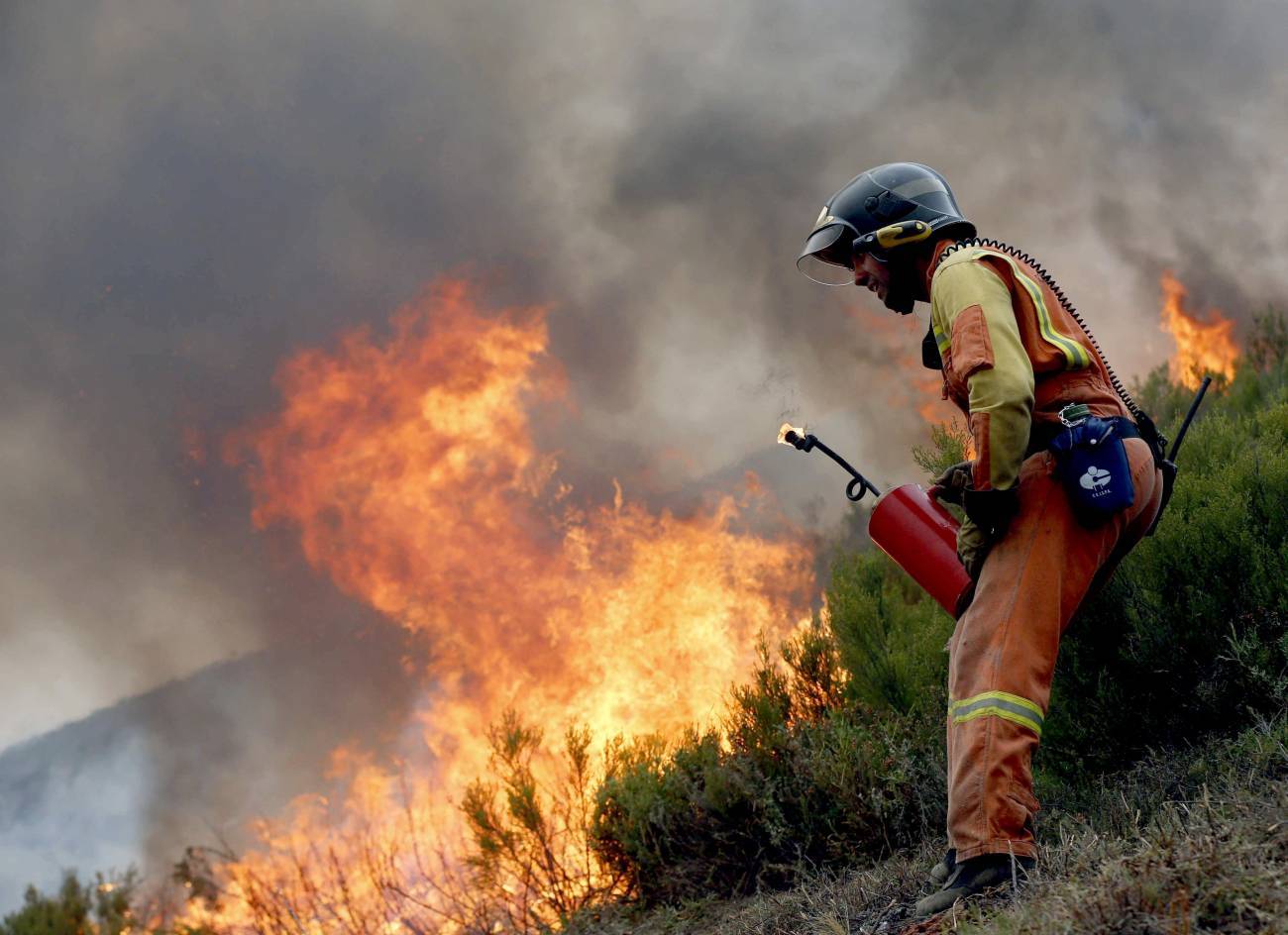
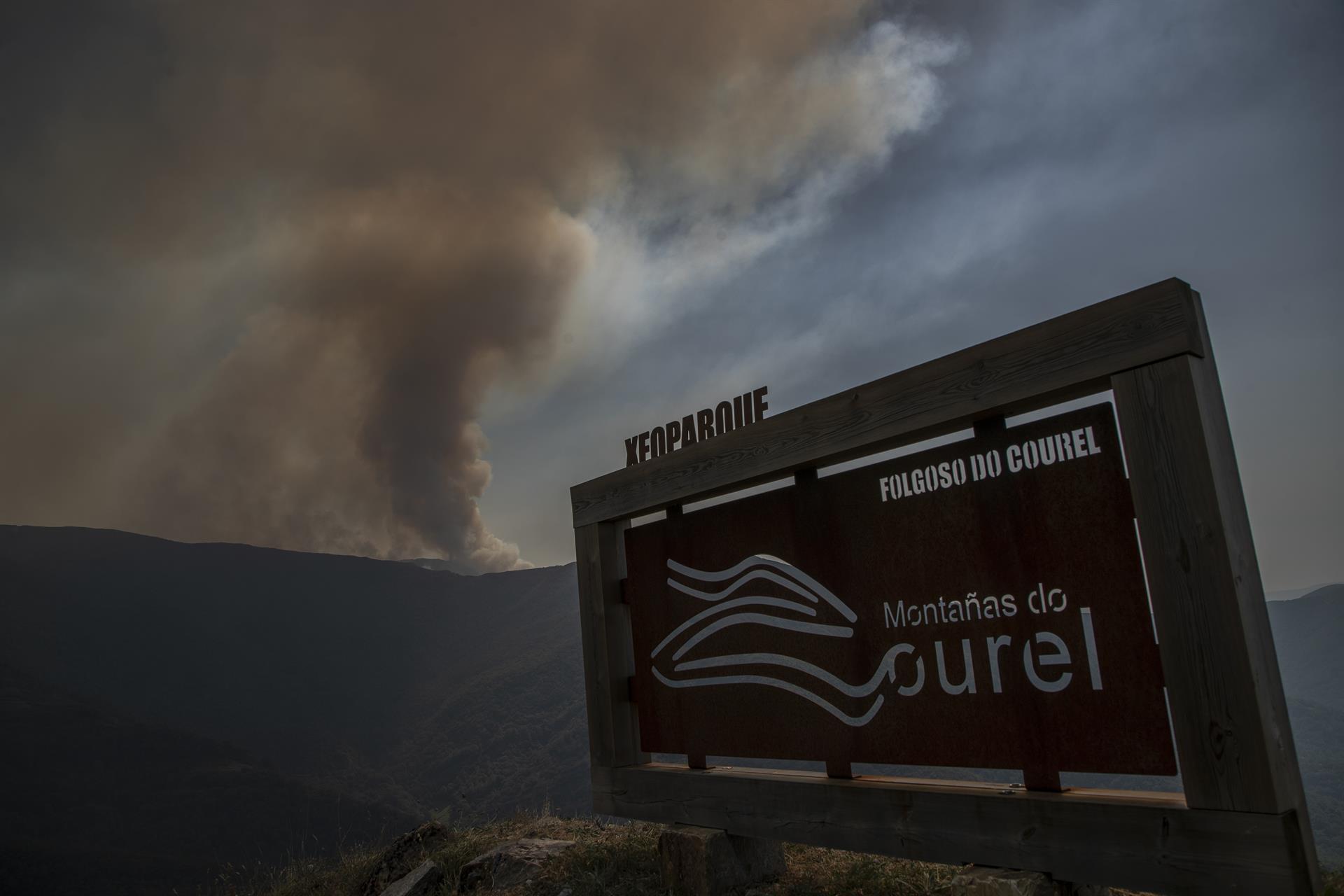
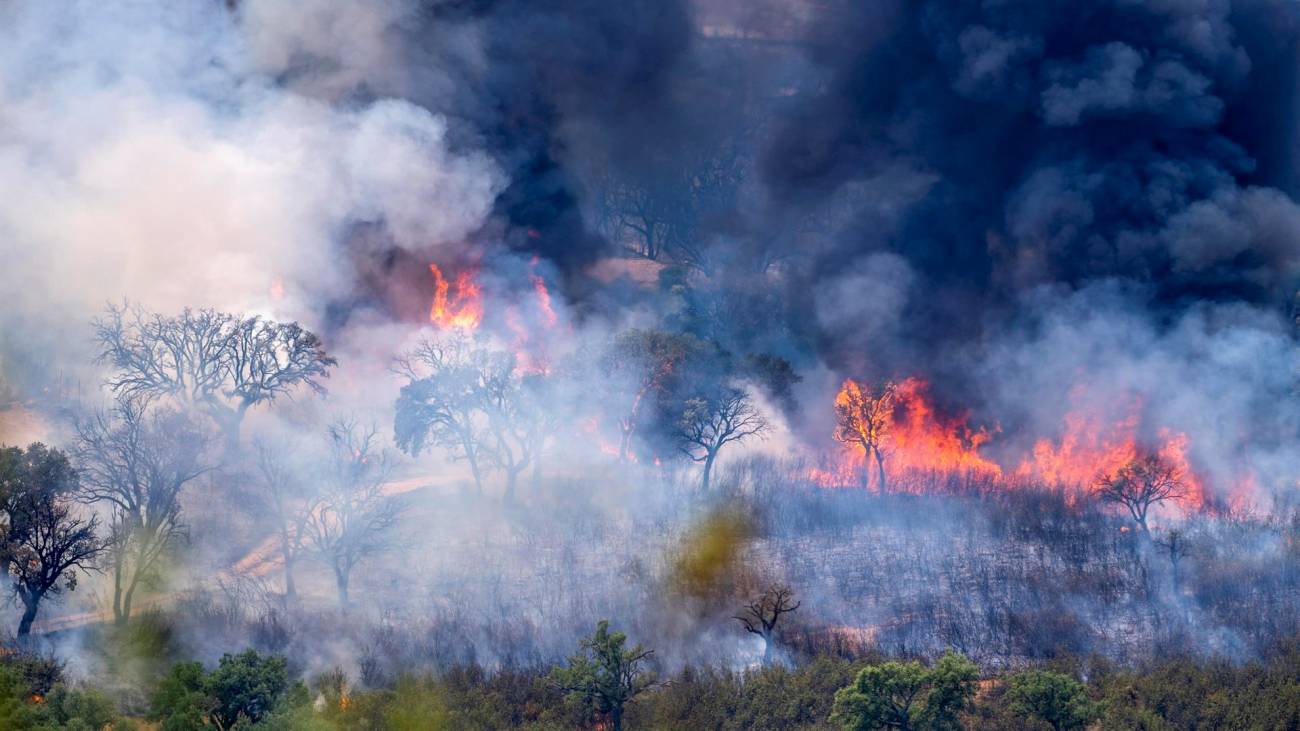
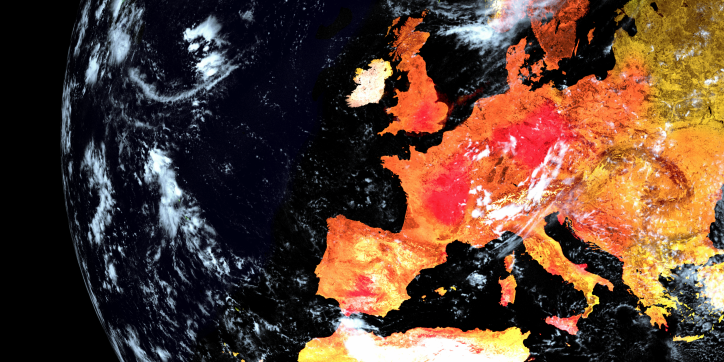
Coinciding with the heat wave, numerous wildfires have started and spread in the Iberian Peninsula, with two fatalities in the province of Zamora.
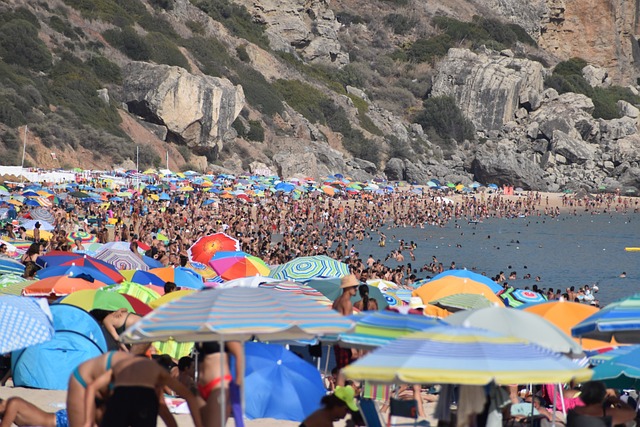
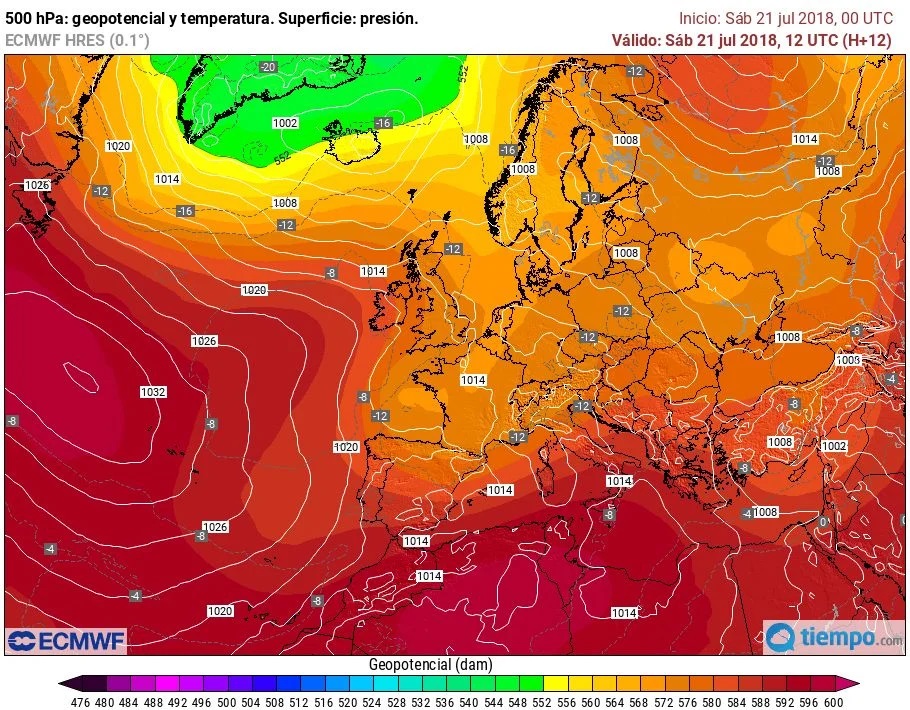
Spain is suffering these days a new heat wave that, according to experts, will last at least until Monday and it is not clear when it will end.
A study published in Nature Geoscience shows how climate change is interfering with processes affecting atmospheric circulation and significantly altering the climate in Spain and Portugal. The anomalous expansion of the Azores anticyclone is drying out the Iberian Peninsula and making it increasingly resemble North Africa.
British researchers have analysed the extent to which various types of extreme weather events are attributable to climate change. In the case of heatwaves, they find an unequivocal link. They estimate that the 35 worldwide between 2000 and 2020 have caused at least 157,000 deaths and warn that it is very likely that the impact of this phenomenon is being underestimated.
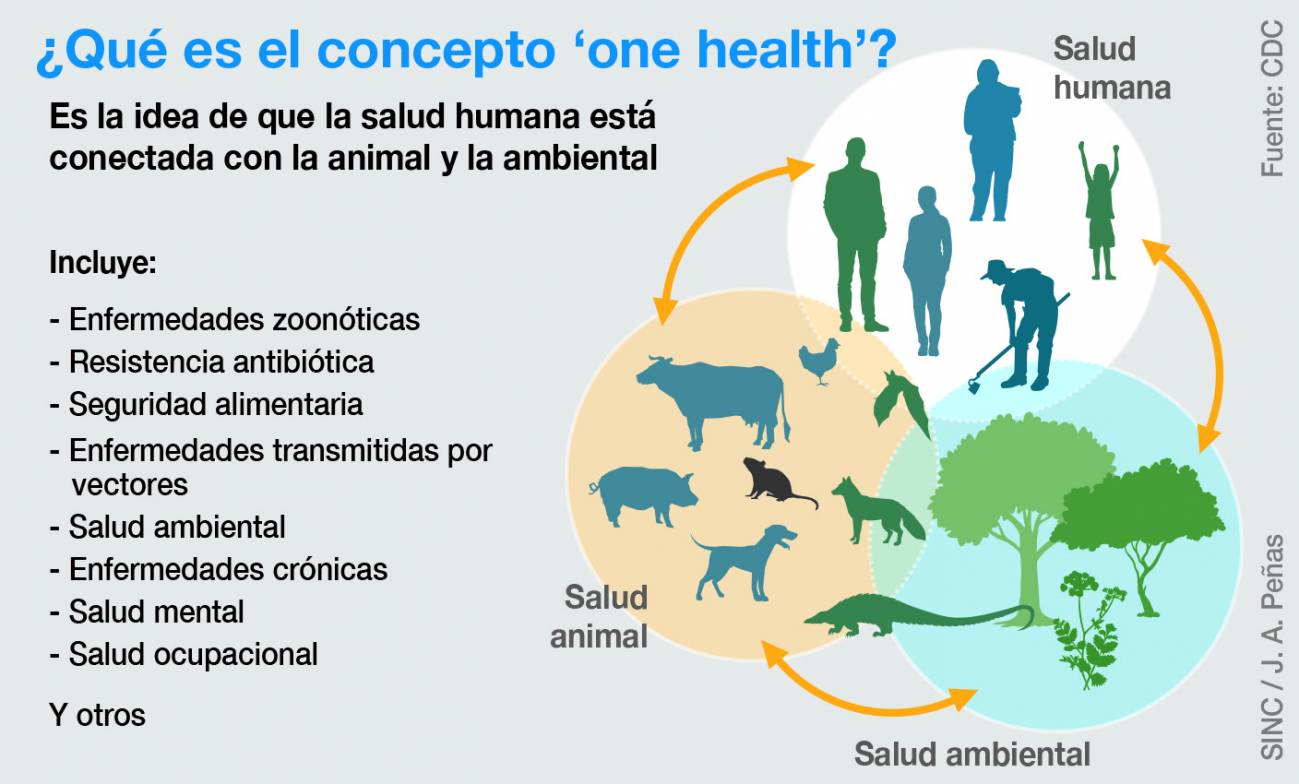
Climate change will lead to at least 15,000 new cross-species virus transmissions by 2070, as habitat shifts on a 2°C warmer planet will bring previously distant animals closer together. This result, published in Nature, points to increased exposure of humans to pathogens from wild animals.
The Intergovernmental Panel on Climate Change (IPCC) has just approved the study on measures to curb the climate crisis on which more than 200 authors from around the world have been working for three years. It is the report of Working Group III and is the final component of the IPCC's Sixth Assessment Report.