Reactions

Reactions

Reactions

When science hits the headlines, we seek the views of expert sources who assess the news rigorously and quickly, according to the available evidence.

Reactions to the analysis linking certain gastrointestinal diagnoses with Parkinson's disease

Certain intestinal issues, such as constipation, difficulty swallowing, and irritable bowel syndrome, could be early warning signs of Parkinson's disease, according to a study published in the journal Gut. The study compared tens of thousands of patients from a network of medical records in the United States.

0

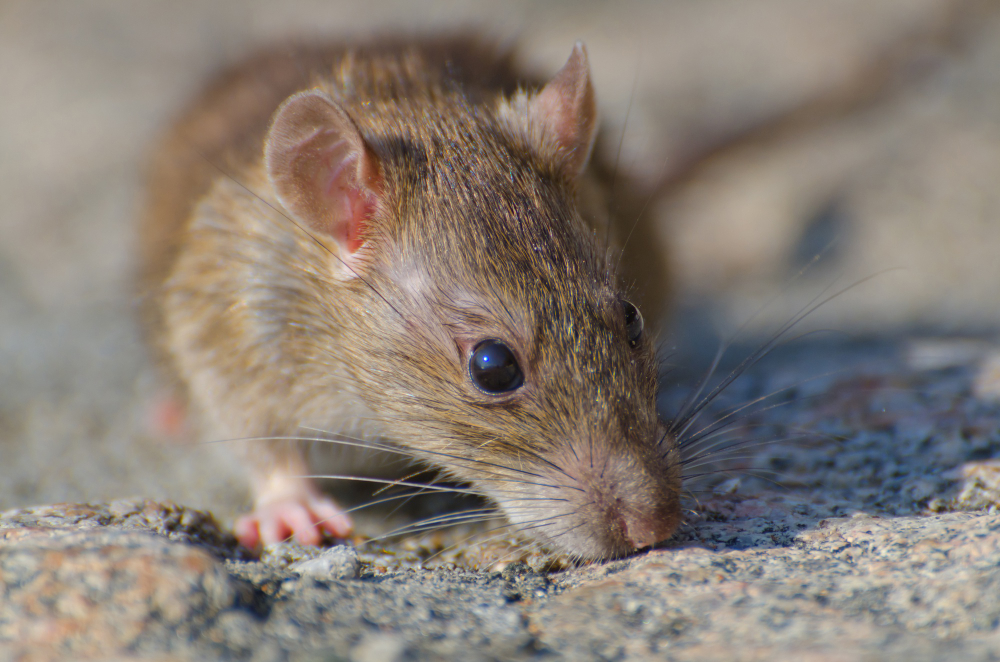
Reactions: study links emulsifier consumption by pregnant mice to health problems in offspring

A study in mice found "mild metabolic and neuropsychological malprogramming" in the offspring of females who, during gestation and lactation, had ingested emulsifiers, substances used to improve the texture of ultra-processed foods. The article, led by a team from IDIBAPS in Barcelona and published in PLoS Biology, states that the consumption during these periods of carboxymethylcellulose and polysorbate 80 - two common emulsifiers - diluted in water was associated with metabolic and cognitive deficits in the mouse offspring.

0

Reactions to an analysis of the causes of insect decline in Europe

The decline of insects in Central and Western Europe in recent years is mainly due to human activities and the intensification of agriculture, according to a study funded by three companies (Bayer, BASF and Syngenta) that manufacture pesticides. The paper, published in PLoS ONE, summarises an analysis of 82 other published studies and explains the causes of population declines in two groups of insects: carabids (ground beetles) and lepidopterans (including moths and butterflies). The authors estimate that "anthropogenic activities in general" are most responsible for this decline, followed by agricultural intensification (including pesticides) and climate change in third place.

0

Reactions to Japan's release of treated Fukushima water into the Pacific Ocean

On Thursday 24 August, Japan will begin discharging treated wastewater from the Fukushima nuclear power plant into the Pacific Ocean, the Japanese government announced. The water has been treated to reduce its radioactivity. The International Atomic Energy Agency (IAEA) has indicated that, as stated in a report they published last month on this process, "that the approach and activities for this discharge are consistent with relevant international safety standards and would have a negligible radiological impact on people and the environment". 

0

Reactions: the wildfire in Tenerife forces thousands of people to evacuate although they manage to stabilize it in some points

The fire that originated on August 15 between the Tenerife municipalities of Arafo and Candelaria, in the northeast of the island, is advancing on several fronts and has affected more than 13,000 hectares, although the firefighting services have stabilized it in some points. The people evacuated in the last days have been thousands. As confirmed by the president of the Canary Islands, Fernando Clavijo, the fire has been caused.

0

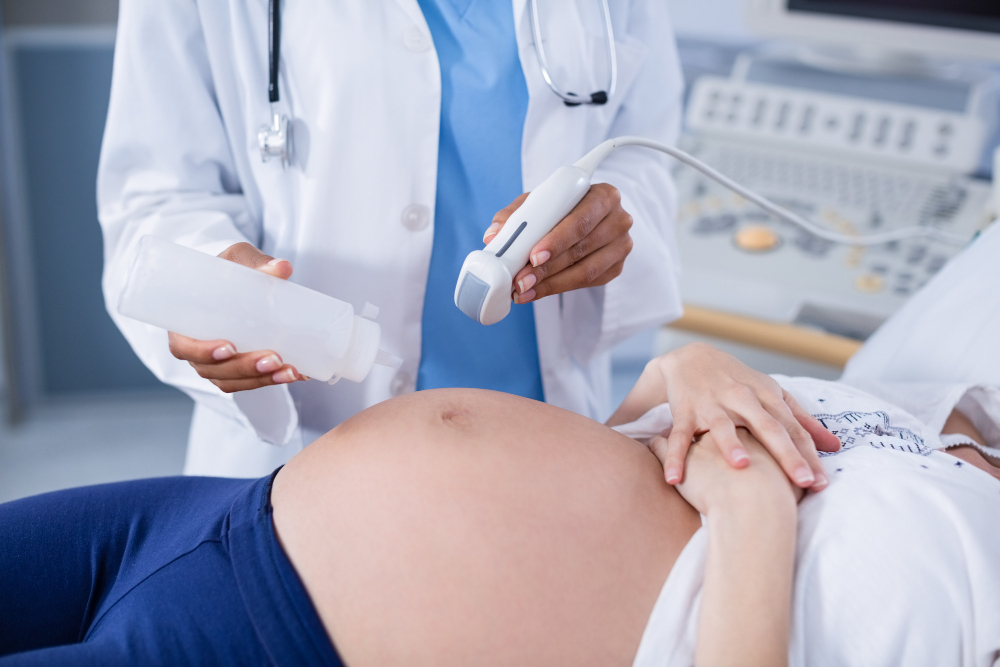
Reactions to kidney transplant from genetically modified pigs to brain-dead man

A clinical team in the US has successfully transferred kidneys from pigs to a brain-dead man. The organs came from animals that had been genetically modified to prevent rejection by the immune system of the patient, who had kidney disease. The transplanted organs were functional - they could make urine and clear creatinine - seven days after the operation, explains a research letter summarising the case in JAMA Surgery. The team says this type of xenotransplantation - from animal to human - could be a solution to the shortage of donor organs. 

0

Reactions: Study quantifies overdiagnosis of breast cancer in women over 70 in the US

A US study measures the risk of breast cancer overdiagnosis in screening campaigns for women over 70. These are women who are misdiagnosed with cancer after a mammogram, leading to unnecessary treatments that can cause complications, anxiety and financial costs. The study includes more than 54,000 women over the age of 70 who have had a screening mammogram. The retrospective analysis compares the cumulative incidence of breast cancer between two groups: women who continued screening up to 15 years later, and women who did not. The research estimates that 31% of breast cancer cases in women aged 70-74 result from overdiagnosis: it finds 6.1 cases per 100 women who had continued screening, compared with 4.2 cases per 100 women in the second group. The percentage of overdiagnosis increases with the age of the women. The article is published in the Annals of Internal Medicine, along with an editorial.

0

Reaction: Speech deepfakes fool humans even if they are trained to detect them

Speech deepfakes are synthetic voices produced by machine learning models that can resemble real human voices. Research published in PLoS ONE involving half a thousand participants shows that they were able to correctly identify that they were not real voices 73% of the time. The results of the study—conducted in English and Mandarin—showed only a slight improvement in those people who were specifically trained to spot these deepfakes.

0

Reactions: Myths and exaggerations about the microbiome harm your research, an article warns

An opinion piece signed by researchers from the Universities of Aberdeen and Nottingham (UK) has outlined some of the inaccuracies, exaggerations and misconceptions they say are taking place around research on the human microbiome. Some of these are curiosities, like the false belief that we have ten bacteria for every human cell. Others are more relevant, such as the fact that many specific associations between the microbiome and disease have not been confirmed in follow-up studies. According to the authors, it is important to raise awareness about myths and misconceptions to avoid unproductive research projects and preserve public confidence in microbiome science. The article is published in the journal Nature Microbiology.

0