Resources

Resources

Resource library

How do you read a scientific article? What are the phases of a clinical trial? What are the differences between climate change and global warming? These guides answer questions for journalists and communication departments. Other specific guides help research staff when dealing with the media.

The article ChatGPT doesn’t want you to read: how to talk about AI without anthropomorphism

Is artificial intelligence intelligent? Can it understand, cheat and make mistakes? Metaphors are commonly used when discussing models such as ChatGPT and Claude, and whilst they are not without their usefulness, they also pose risks by portraying these technologies as more autonomous than they actually are. Instead, it is possible to use more neutral alternatives.
 

0
How to spot hype in a scientific field and how to cover it effectively

The exaggeration of actual or potential successes is a risk in science communication, which is subject to highly competitive funding and publication dynamics. As a result, there are fields of research that appear revolutionary but fade away after years of promise, although more often than not they do lead to modest advances in the long term. Spotting the hype and reporting on it rigorously is one of the challenges science journalists face every day. Here are our tips.


0

How to cover the triple eclipses: resources for journalists

For months, Spain has been preparing to host an astronomical milestone: a trio of solar eclipses that will be visible mainly from the peninsula, Ceuta, and Melilla. In addition to explaining what they are and why they are important, this article will tell you where to find expert sources to answer your questions about this fascinating phenomenon.


0

Floods and DANAS: key tips for effective communication

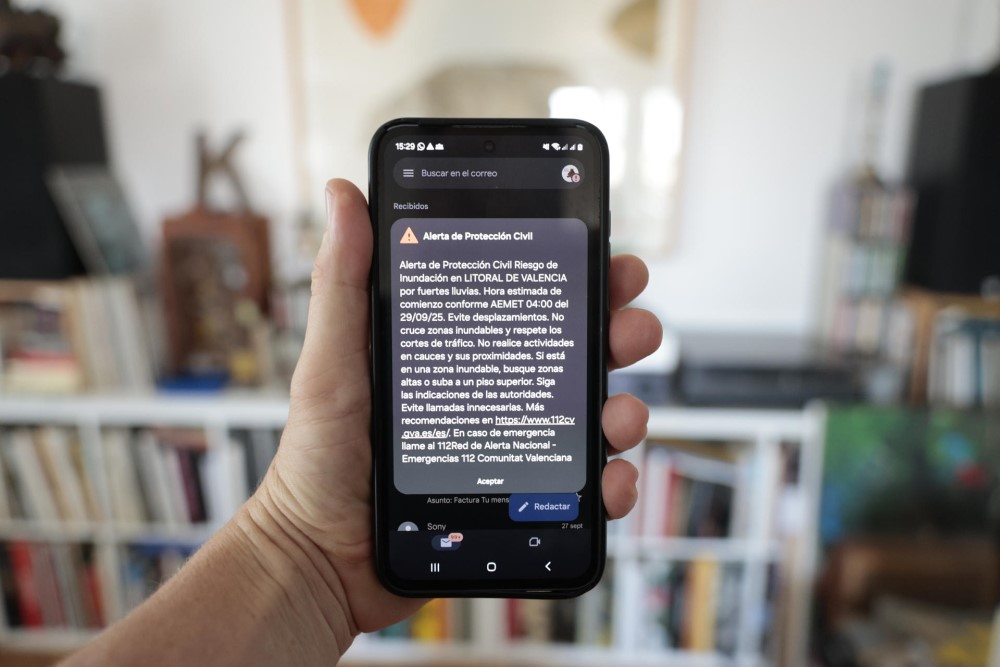
The devastating floods in Valencia in October 2024 and the rainfall alert issued on September 28, 2025, showed that the way we communicate risks can make a difference, for better or for worse. This article presents eight key points for journalists, public officials, communicators, and anyone else interested in communicating better about floods and other crises.

0

A quick guide to reporting obesity without getting it wrong

According to the World Health Organisation (WHO), the prevalence of obesity worldwide has increased by more than 100 % between 1990 and 2022. This reality has been and is constantly reflected in the media, but not always narrated or illustrated in the right way. Here are some tips on how to report on this disease from experts, international guidelines and specialised image banks.

0

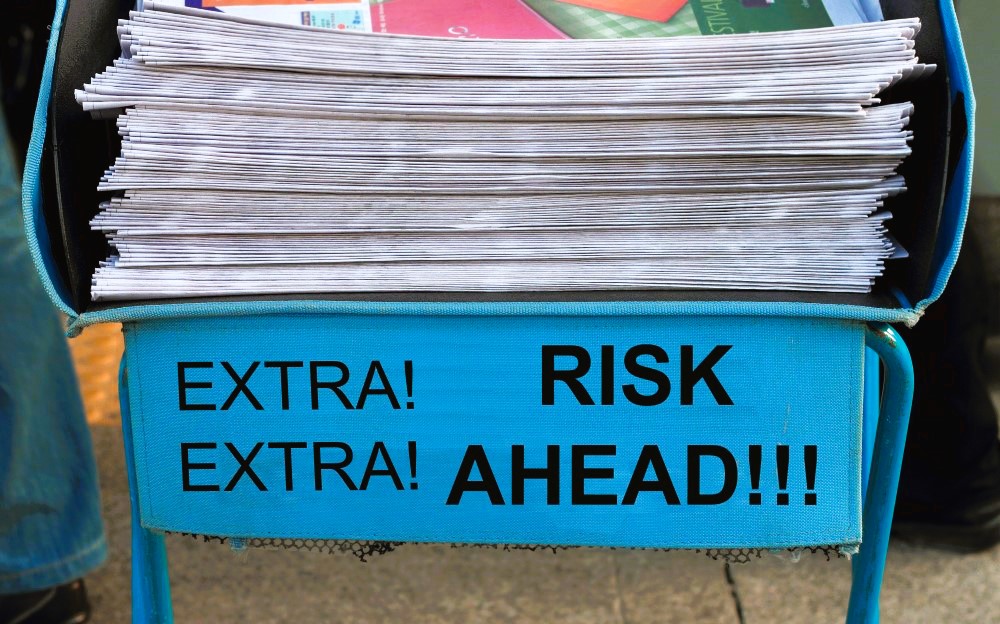
Risk Journalism: a guide to clear reporting on any topic

This guide is designed for journalists who cover stories about risks in any sector: health, environment, artificial intelligence etc. You will identify the concepts that will help you explain, for example, why false flood alarms occur, the pros and cons of installing a nuclear plant in a certain area, or the uncertainty of a study that finds a particular diet increases the risk of developing cancer.

0

Risk is a complex concept: how do you interpret it?

The risk of an adverse reaction to a vaccine and the risk of not evacuating a flood-prone area have something in common: both are risks, though very different ones. While one refers to a numerical probability, the other refers to a potential consequence. Here, we explore six different meanings of the word “risk” in headlines. These examples will help you explain risks more clearly, or demand that clarity from others.

0